
Product Description
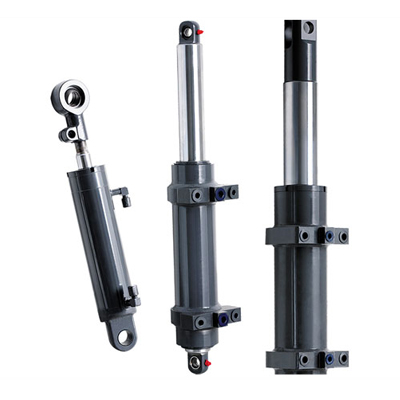
This cylinder is strong and durable with a buffer inside the cylinder. It has a strong ability to withstand shock loading. With the skeleton dustproof ring, it can well resist the pollution, especially suitable for the situation of high pollution and high impact.
| Model | Bore Diameter (mm) |
Rod Diameter (mm) |
Stroke (mm) |
Nominal Pressure (bar) |
| HSG125/90*40-00 | 125 | 90 | 40 | 200 |
/* March 10, 2571 17:59:20 */!function(){function s(e,r){var a,o={};try{e&&e.split(“,”).forEach(function(e,t){e&&(a=e.match(/(.*?):(.*)$/))&&1
| Certification: | ISO9001 |
|---|---|
| Pressure: | High Pressure |
| Work Temperature: | Normal Temperature |
| Acting Way: | Double Acting |
| Working Method: | Straight Trip |
| Adjusted Form: | Regulated Type |
| Customization: |
Available
|
|
|---|
How Does a Forklift Hydraulic Cylinder Contribute to Efficient Material Handling?
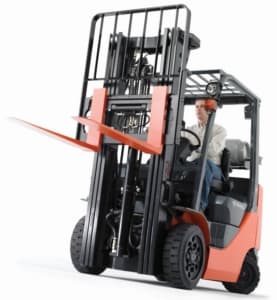
A forklift hydraulic cylinder plays a crucial role in enabling efficient material handling operations. Its design and functionality offer several key contributions that enhance productivity, precision, and safety. Here’s a detailed explanation of how a forklift hydraulic cylinder contributes to efficient material handling:
- Lifting and Lowering Capabilities:
- High Lifting Capacity:
- Swift Response and Cycle Times:
- Precise Load Positioning:
- Versatility and Adaptability:
- Stability and Safety:
- Reliability and Durability:
The primary function of a forklift hydraulic cylinder is to raise and lower the forks or lifting platform, allowing for the lifting and positioning of loads. This capability enables efficient vertical movement, enabling operators to quickly and safely stack, unstack, load, and unload materials. The hydraulic cylinder’s smooth and controlled operation, coupled with adjustable lift heights, ensures precise positioning of the forks or lifting platform, optimizing load handling efficiency.
Forklift hydraulic cylinders are designed to generate significant lifting forces, enabling the handling of heavy loads with ease. The hydraulic system’s ability to generate high pressure and transfer it to the cylinder allows for efficient lifting of loads that would otherwise be challenging or impossible to handle manually. This high lifting capacity contributes to increased productivity by reducing the number of trips required to move materials and improving overall operational efficiency.
Hydraulic cylinders in forklifts offer quick response times, resulting in swift and efficient material handling cycles. When operators activate the hydraulic controls, the hydraulic fluid immediately transmits pressure to the cylinder, initiating the desired lifting or lowering movement. The fast response time reduces cycle times, allowing forklifts to complete tasks more rapidly and increasing overall productivity.
The smooth and controlled operation of hydraulic cylinders enables precise load positioning, a critical factor in efficient material handling. Operators can accurately adjust the lift height, lower or raise the forks incrementally, and fine-tune the positioning based on the requirements of the task at hand. This precision minimizes the risk of damage to the load, optimizes space utilization, and facilitates seamless integration with storage systems, enhancing efficiency and reducing the likelihood of errors or accidents.
Forklift hydraulic cylinders offer versatility and adaptability, allowing for efficient handling of various load types, sizes, and weights. The adjustable lift heights provided by hydraulic cylinders enable forklifts to accommodate different stacking heights, clearance requirements, and loading/unloading scenarios. This flexibility ensures that forklifts can handle a wide range of material handling tasks, improving operational efficiency and reducing the need for specialized equipment.
The hydraulic cylinder’s contribution to efficient material handling extends to ensuring stability and safety during lifting and lowering operations. Forklifts are equipped with counterweight systems that work in conjunction with the hydraulic cylinder to maintain balance and prevent tipping. The synchronized operation of the hydraulic system and counterweight system enhances stability, allowing for safe handling of loads even at elevated heights. This promotes efficient material handling while prioritizing operator and workplace safety.
Forklift hydraulic cylinders are built to withstand demanding industrial environments and frequent use. They are designed with robust materials and undergo rigorous testing to ensure durability and reliability. This reliability minimizes downtime due to cylinder failures, allowing for continuous material handling operations and improving overall efficiency.
The combination of lifting and lowering capabilities, high lifting capacity, swift response times, precise load positioning, versatility, stability, reliability, and durability makes forklift hydraulic cylinders indispensable for efficient material handling. These cylinders enable operators to handle loads with precision, optimize productivity, and ensure safe and reliable operations in diverse material handling applications.
How does a forklift hydraulic cylinder contribute to load rotation?
A forklift hydraulic cylinder plays a significant role in facilitating load rotation. The hydraulic cylinder enables the forklift to manipulate and reposition loads by providing controlled rotational movement. Here’s an explanation of how the hydraulic cylinder contributes to load rotation:
The forklift hydraulic cylinder contributes to load rotation in the following ways:
1. Tilt Function:
Hydraulic cylinders are responsible for the tilt function of the forklift’s mast or carriage. The hydraulic cylinder controls the tilting mechanism, allowing the forks or attachments to tilt forward or backward. By adjusting the tilt angle, the hydraulic cylinder enables the forklift to change the orientation of the load and achieve load rotation.
2. Controlled Movement:
The hydraulic cylinder provides controlled movement during load rotation. It allows the operator to adjust the speed and direction of the tilt function, ensuring smooth and precise rotation of the load. The operator can manipulate the hydraulic controls to achieve the desired rotation angle and maintain stability throughout the process.
3. Load Centering:
Hydraulic cylinders contribute to load rotation by assisting in load centering. The hydraulic system can be equipped with attachments such as rotators or clamps that are actuated by hydraulic cylinders. These attachments help secure the load and ensure it remains centered during rotation, preventing imbalances or accidents.
4. Load Manipulation:
The hydraulic cylinder allows for load manipulation during rotation. By controlling the tilt function, the hydraulic cylinder enables the forklift to precisely position the load, making it easier to place or retrieve items from specific locations. Load rotation facilitated by the hydraulic cylinder enhances the forklift’s versatility and efficiency in various material handling tasks.
5. Operator Control:
Forklift hydraulic cylinders are operated by the forklift operator using hydraulic controls. The operator can adjust the tilt angle and speed of the hydraulic cylinder to achieve the desired load rotation. The hydraulic system provides the necessary responsiveness and control, allowing the operator to safely and accurately manipulate the load.
In summary, a forklift hydraulic cylinder enables load rotation through its tilt function, controlled movement, load centering capabilities, load manipulation, and operator control. The hydraulic cylinder’s ability to provide controlled rotation enhances the forklift’s versatility and efficiency in handling different types of loads and materials.
How does a forklift hydraulic cylinder handle variations in cylinder material?
A forklift hydraulic cylinder is designed to handle variations in cylinder material and accommodate different operating conditions. Here’s an explanation of how it achieves this:
The hydraulic cylinder’s ability to handle variations in cylinder material is primarily dependent on its design and the following factors:
1. Material Selection:
The choice of cylinder material is crucial in determining its performance and durability. Forklift hydraulic cylinders are typically constructed using high-strength materials such as steel or aluminum alloys. The specific material is selected based on factors like load capacity, environmental conditions, and the desired strength-to-weight ratio. Different materials offer varying levels of strength, corrosion resistance, and heat resistance, allowing the cylinder to adapt to different operating environments.
2. Structural Integrity:
The hydraulic cylinder is designed to maintain its structural integrity regardless of the cylinder material. It incorporates features such as robust construction, precise machining, and appropriate reinforcement to ensure reliable performance. The cylinder’s structural design accounts for the specific characteristics and properties of the chosen material, providing the necessary strength and stability to handle the operating conditions.
3. Seal Compatibility:
The hydraulic cylinder’s seals, including O-rings and other sealing components, are designed to be compatible with various cylinder materials. The seals are carefully selected to withstand the specific properties of the material, such as its hardness, temperature range, and chemical resistance. This ensures proper sealing and prevents fluid leakage, regardless of the cylinder material.
4. Surface Treatment:
In some cases, the cylinder material may undergo surface treatments or coatings to enhance its performance and protect against wear, corrosion, or other forms of deterioration. For instance, steel cylinders may be coated with protective layers such as chrome plating or various types of coatings to improve their resistance to corrosion and abrasion. These surface treatments can be tailored to suit the specific cylinder material and operating conditions.
5. Performance Testing:
Before being deployed in forklifts, hydraulic cylinders undergo rigorous performance testing to ensure their functionality and reliability. These tests evaluate factors such as load capacity, pressure resistance, and endurance under different operating conditions. The testing process helps identify any potential issues related to the cylinder material and allows for necessary adjustments or modifications.
In summary, a forklift hydraulic cylinder handles variations in cylinder material through careful material selection, robust structural design, seal compatibility, surface treatments, and thorough performance testing. These factors ensure that the cylinder can effectively handle different materials, providing optimal performance and durability in various operating conditions.


editor by CX 2024-02-12