
Product Description
Hydraulic Cylinder for Forestry Forklift
Forestry forklifts are specialized machines used to efficiently lift, transport, and maneuver heavy materials in forestry operations.
The hydraulic cylinders in a forestry forklift plays a crucial role in its operation. The forestry forklift’s hydraulic cylinders are designed for smooth and efficient operation. The hydraulic cylinders work in unison with other moving parts of the machine, ensuring that lifting and transporting tasks are performed quickly and reliably.
We can manufacture hydraulic cylinders of different specifications according to the drawings you provide.
Product List
TR Series Cylinder, WT Series Cylinder, WC Series Cylinder, AG Series Cylinder, AC Series Cylinder, WR Series Cylinder, Telescopic Cylinder are our mature standard hydraulic cylinders. In addition to these mature standard hydraulic cylinders, we can manufacture customized and OEM hydraulic cylinders of different specifications according to the drawings you provide.
About US
HangZhou LD Machinery Co., Ltd was established in 1988 and is located in the HangZhou seaport city, covering an area of 500,000 SF and employing more than 200 workers.
LD Company is a leading manufacturer specializing in the design, R&D, manufacturing and marketing of hydraulic cylinder. It has a senior engineering team with special skills and rich experience in product design, casting, forging, CNC machining, and can handle special materials, structure, defect and processing to meet the changing needs of customers, providing high quality, competitive prices products and great services to customers throughout the United States, Canada, Australia, as well as overseas.
FAQ
Q1. What is LD product’s quality assurance?
100% inspection for each product before shipping with inspection rereport for tracking.
Q2: How long is the warranty on LD products?
The warranty is 2 years for general products since the date of shipment.
Q3: How LD deal with the quality problem during warranty period?
1. LD will take the corresponding cost caused by customer local reparing.
2. LD will provide the product by free if the repair cost is higher than the product value,
but the freight involved shall be borne by customer side.
Q4: How to ensure the order can be shipped on time?
LD will send the “production schedule” every week after receiving customers’ orders.
If any delays, LD will inform customers 3 weeks in advance, so as to facilitate the customer to arrange the schedule.
Q5: Does LD offer delivery service?
Yes. LD has deep cooperation with logistics companies all over the world to provide customers
with quick and convenient “Door-to-Door services”,including sea, air and express.
Q6: How LD control the product quality?
1. Raw materials: We will test the material of each batch of raw materials we receive, and the piston rod will be tested with salt spray. This is to ensure that the material of our products meets the requirements at the beginning.
2. Processing: We have the leading machining equipment, and obtained ISO9001 certification.
3. Welding: Our factory is equipped with welding robots, and has obtained the AWS certification.
4. Assembly pressure test: 100% testing with OQC report for cHangZhou. The seals we use are: Hallite, Aston, Parker, etc.
Q7: How do LD package the hydraulic cylinders?
1. Stick our company logo or client logo on the hydraulic cylinders.
2. Each hydraulic cylinder is packaged in individual plastic bags.
3. Put the hydraulic cylinders into plywood pallet and put marks on the plywood pallet.
4. Shipping in container.
/* May 10, 2571 16:49:51 */!function(){function d(e,r){var a,o={};try{e&&e.split(“,”).forEach(function(e,t){e&&(a=e.match(/(.*?):(.*)$/))&&1
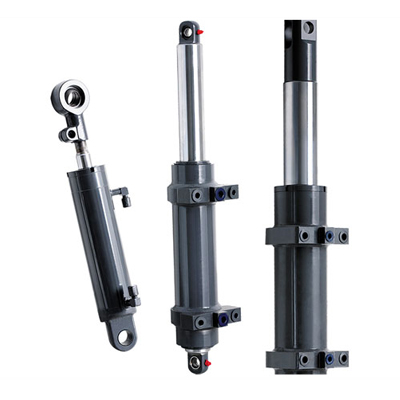
How Does a Forklift Hydraulic Cylinder Contribute to Efficient Material Handling?
A forklift hydraulic cylinder plays a crucial role in enabling efficient material handling operations. Its design and functionality offer several key contributions that enhance productivity, precision, and safety. Here’s a detailed explanation of how a forklift hydraulic cylinder contributes to efficient material handling:
- Lifting and Lowering Capabilities:
- High Lifting Capacity:
- Swift Response and Cycle Times:
- Precise Load Positioning:
- Versatility and Adaptability:
- Stability and Safety:
- Reliability and Durability:
The primary function of a forklift hydraulic cylinder is to raise and lower the forks or lifting platform, allowing for the lifting and positioning of loads. This capability enables efficient vertical movement, enabling operators to quickly and safely stack, unstack, load, and unload materials. The hydraulic cylinder’s smooth and controlled operation, coupled with adjustable lift heights, ensures precise positioning of the forks or lifting platform, optimizing load handling efficiency.
Forklift hydraulic cylinders are designed to generate significant lifting forces, enabling the handling of heavy loads with ease. The hydraulic system’s ability to generate high pressure and transfer it to the cylinder allows for efficient lifting of loads that would otherwise be challenging or impossible to handle manually. This high lifting capacity contributes to increased productivity by reducing the number of trips required to move materials and improving overall operational efficiency.
Hydraulic cylinders in forklifts offer quick response times, resulting in swift and efficient material handling cycles. When operators activate the hydraulic controls, the hydraulic fluid immediately transmits pressure to the cylinder, initiating the desired lifting or lowering movement. The fast response time reduces cycle times, allowing forklifts to complete tasks more rapidly and increasing overall productivity.
The smooth and controlled operation of hydraulic cylinders enables precise load positioning, a critical factor in efficient material handling. Operators can accurately adjust the lift height, lower or raise the forks incrementally, and fine-tune the positioning based on the requirements of the task at hand. This precision minimizes the risk of damage to the load, optimizes space utilization, and facilitates seamless integration with storage systems, enhancing efficiency and reducing the likelihood of errors or accidents.
Forklift hydraulic cylinders offer versatility and adaptability, allowing for efficient handling of various load types, sizes, and weights. The adjustable lift heights provided by hydraulic cylinders enable forklifts to accommodate different stacking heights, clearance requirements, and loading/unloading scenarios. This flexibility ensures that forklifts can handle a wide range of material handling tasks, improving operational efficiency and reducing the need for specialized equipment.
The hydraulic cylinder’s contribution to efficient material handling extends to ensuring stability and safety during lifting and lowering operations. Forklifts are equipped with counterweight systems that work in conjunction with the hydraulic cylinder to maintain balance and prevent tipping. The synchronized operation of the hydraulic system and counterweight system enhances stability, allowing for safe handling of loads even at elevated heights. This promotes efficient material handling while prioritizing operator and workplace safety.
Forklift hydraulic cylinders are built to withstand demanding industrial environments and frequent use. They are designed with robust materials and undergo rigorous testing to ensure durability and reliability. This reliability minimizes downtime due to cylinder failures, allowing for continuous material handling operations and improving overall efficiency.
The combination of lifting and lowering capabilities, high lifting capacity, swift response times, precise load positioning, versatility, stability, reliability, and durability makes forklift hydraulic cylinders indispensable for efficient material handling. These cylinders enable operators to handle loads with precision, optimize productivity, and ensure safe and reliable operations in diverse material handling applications.
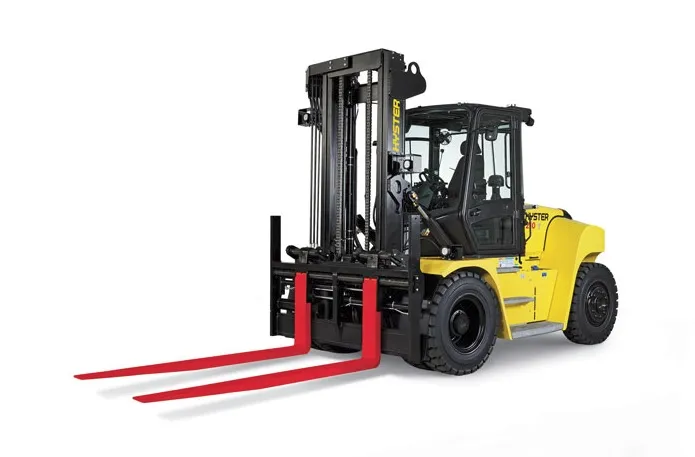
How does a forklift hydraulic cylinder handle variations in seal technology?
A forklift hydraulic cylinder is designed to handle variations in seal technology to ensure effective sealing and reliable performance. Here’s an explanation of how it achieves this:
The hydraulic cylinder’s ability to accommodate different seal technologies is essential for maintaining hydraulic fluid integrity and preventing leakage. The cylinder handles variations in seal technology through the following mechanisms:
1. Seal Compatibility:
Forklift hydraulic cylinders are designed to be compatible with various types of seal technologies. Different seal materials and designs are available, such as O-rings, lip seals, and composite seals. The cylinder is manufactured with precise dimensions and tolerances to accommodate the specific seal technology being used. This compatibility ensures a proper fit and seal, regardless of the seal technology employed.
2. Material Selection:
The choice of cylinder material is also crucial in handling variations in seal technology. Different seal materials have varying compatibility with specific cylinder materials. Forklift hydraulic cylinders are typically constructed using materials such as steel or aluminum alloys, which offer excellent compatibility with a wide range of seal technologies. The cylinder material is selected to work harmoniously with different seal materials, ensuring reliable sealing performance.
3. Seal Design and Construction:
The design and construction of seals in the hydraulic cylinder are optimized to accommodate variations in seal technology. Seal manufacturers develop seals with specific features and characteristics tailored to different applications. These features may include improved sealing lip geometry, advanced materials with enhanced wear resistance, and specialized sealing mechanisms. The cylinder is designed to accommodate these variations, providing the necessary space and support for the specific seal technology being utilized.
4. Testing and Quality Control:
Hydraulic cylinders undergo rigorous testing and quality control processes to ensure seal compatibility and performance. During manufacturing, seals are inspected for proper fit, dimensions, and sealing integrity. The hydraulic system is also subjected to pressure and leakage tests to verify the effectiveness of the seals and overall system performance. These testing and quality control measures help identify any issues related to seal technology and allow for necessary adjustments or improvements.
In summary, a forklift hydraulic cylinder handles variations in seal technology through seal compatibility, appropriate material selection, seal design and construction, and rigorous testing and quality control. These measures ensure that the cylinder can effectively accommodate different seal technologies, providing reliable sealing performance and preventing hydraulic fluid leakage.
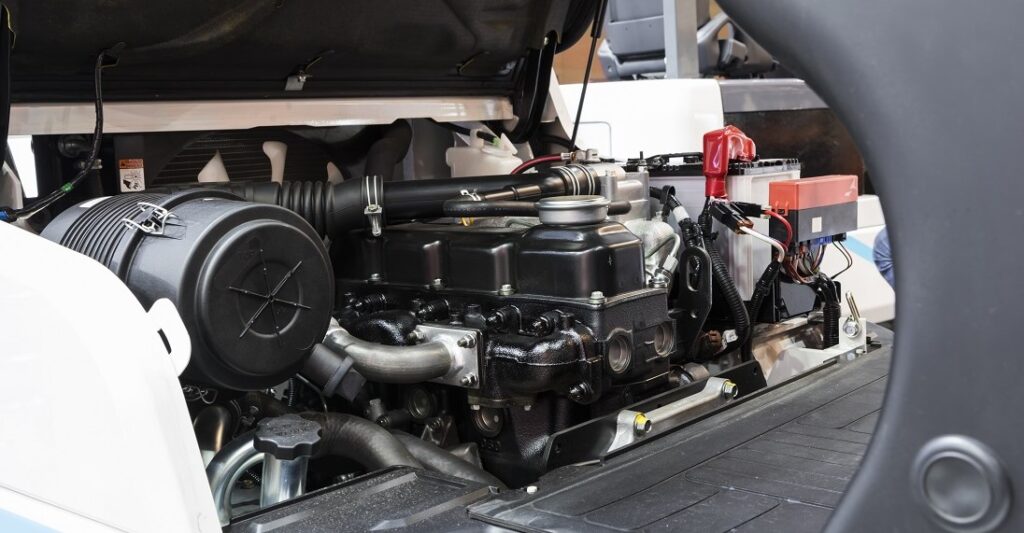
Can You Explain the Role of Hydraulic Fluid in a Forklift Cylinder?
The role of hydraulic fluid in a forklift cylinder is crucial for the proper operation and functionality of the hydraulic system. Hydraulic fluid, also known as hydraulic oil, serves multiple important functions within the forklift cylinder. Here’s an explanation of its role:
- Transmission of Power:
- Lubrication:
- Heat Transfer:
- Sealing and Contamination Prevention:
- Pressure Regulation:
- Contaminant Suspension:
Hydraulic fluid is responsible for transmitting power within the forklift cylinder. The hydraulic system in a forklift uses fluid under pressure to generate force and perform various tasks. When the forklift operator activates the controls, hydraulic fluid is pressurized by the hydraulic pump and directed towards the forklift cylinder. The pressurized fluid then applies force on the piston inside the cylinder, allowing the forklift to lift heavy loads.
Another important role of hydraulic fluid is to provide lubrication within the forklift cylinder. As the piston moves within the cylinder, there is friction between the piston seal and the cylinder wall. Hydraulic fluid acts as a lubricant, reducing friction and preventing excessive wear and tear. The lubricating properties of the hydraulic fluid ensure smooth movement of the piston and other internal components, enhancing the longevity and efficiency of the forklift cylinder.
Hydraulic systems generate heat due to the mechanical and fluid friction occurring during operation. The hydraulic fluid in the forklift cylinder plays a crucial role in heat transfer. It absorbs heat generated within the cylinder and carries it away from the components, helping to maintain the optimal operating temperature. Effective heat transfer prevents overheating and ensures the hydraulic system functions reliably. Some hydraulic fluids are specifically formulated with heat-resistant properties to handle high-temperature applications.
Hydraulic fluid helps maintain a proper seal within the forklift cylinder. The fluid fills the small gaps between the piston and cylinder wall, preventing leakage of pressurized fluid. It also helps to keep out contaminants, such as dirt, dust, and moisture, which can cause damage to the internal components. Hydraulic fluids often contain additives that provide sealing properties and protect against corrosion, maintaining the integrity of the hydraulic system.
Hydraulic fluid plays a role in pressure regulation within the forklift cylinder. The hydraulic pump pressurizes the fluid, and this pressure is transmitted to the cylinder to generate the required force for lifting loads. The properties of the hydraulic fluid, such as viscosity and compressibility, influence the pressure characteristics within the system. Proper selection of hydraulic fluid ensures the desired pressure levels are maintained, allowing the forklift to operate safely and efficiently.
Hydraulic fluid acts as a medium for suspending and carrying away contaminants that may enter the forklift cylinder. It traps particles and debris, preventing them from settling on critical hydraulic components. This helps to maintain the cleanliness of the hydraulic system and reduces the risk of damage or clogging. Regular maintenance, including fluid filtration and replacement, is essential to ensure the hydraulic fluid effectively suspends contaminants and maintains system cleanliness.
In summary, hydraulic fluid plays a vital role in a forklift cylinder. It transmits power, provides lubrication, facilitates heat transfer, helps maintain seals, regulates pressure, and suspends contaminants. By performing these functions, hydraulic fluid ensures the smooth and efficient operation of the forklift hydraulic system, contributing to the lifting and handling of heavy loads with precision and reliability.
<img src="https://img.jiansujichilun.com/img/hydrauliccylinders/hydrauliccylinders-l1.webp" alt="China Professional High-Quality Industry Direct Sale Forestry Forklift Hydraulic Cylinder for John Deere vacuum pump adapter “><img src="https://img.jiansujichilun.com/img/hydrauliccylinders/hydrauliccylinders-l2.webp" alt="China Professional High-Quality Industry Direct Sale Forestry Forklift Hydraulic Cylinder for John Deere vacuum pump adapter “>
editor by Dream 2024-10-08