
Product Description
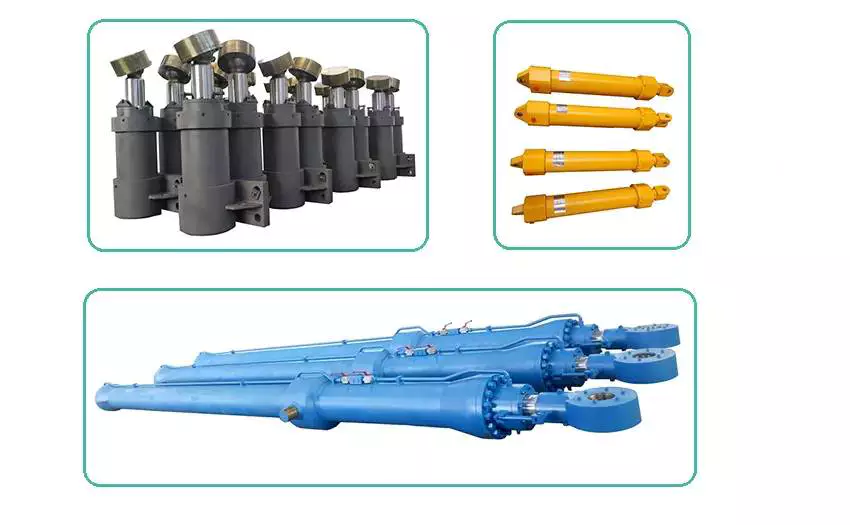
3 4 5 Stage CHINAMFG CHINAMFG Pin / Trunnion Mount Telescopic Hydraulic Cylinders for Dump Truck
1. Company Information
Found 1995,w are 1 of the biggest hydraulic cylinder manufacturer in China, specialized in design, R & D and manufacturing of hydraulic machinery products etc, with its annual production capaciy of 2 square meters.There are 700 sets of mnufacturing equipment .
FC type
| ITEM | MODEL NO. | # of Stages | Largest Moving Stage Diameter(mm) | stroke(mm) | the largest sleeve OD(mm) | mounting distance(mm) |
| 1 | WTHY FC-3-110-3205 | 3 | 110 | 3205 | 168 | 343 |
| 2 | WTHY FC-3-110-3460 | 3 | 110 | 3460 | 168 | 343 |
| 3 | WTHY FC-3-129-2980 | 3 | 129 | 2980 | 218 | 343 |
| 4 | WTHY FC-3-129-3205 | 3 | 129 | 3205 | 218 | 343 |
| 5 | WTHY FC-3-129-3460 | 3 | 129 | 3460 | 218 | 343 |
| 6 | WTHY FC-3-129-3880 | 3 | 129 | 3880 | 218 | 343 |
| 7 | WTHY FC-3-129-4270 | 3 | 129 | 4270 | 218 | 343 |
| 8 | WTHY FC-4-129-4280 | 4 | 129 | 4280 | 218 | 343 |
| 9 | WTHY FC-4-129-4280 | 4 | 129 | 4280 | 218 | 343 |
| 10 | WTHY FC-4-129-5180 | 4 | 129 | 5180 | 218 | 343 |
| 11 | WTHY FC-3-149-4270 | 3 | 149 | 4270 | 244 | 343 |
| 12 | WTHY FC-4-149-3680 | 4 | 149 | 3680 | 218 | 343 |
| 13 | WTHY FC-4-149-3980 | 4 | 149 | 3980 | 218 | 343 |
| 14 | WTHY FC-4-149-4280 | 4 | 149 | 4280 | 244 | 343 |
| 15 | WTHY FC-4-149-4620 | 4 | 149 | 4620 | 244 | 343 |
| 16 | WTHY FC-4-149-4940 | 4 | 149 | 4940 | 244 | 343 |
| 17 | WTHY FC-4-149-5180 | 4 | 149 | 5180 | 244 | 343 |
| 18 | WTHY FC-4-149-5460 | 4 | 149 | 5460 | 244 | 343 |
| 19 | WTHY FC-4-169-4280 | 4 | 169 | 4280 | 244 | 343 |
| 20 | WTHY FC-4-169-4620 | 4 | 169 | 4620 | 244 | 343 |
| 21 | WTHY FC-4-169-4940 | 4 | 169 | 4940 | 244 | 343 |
| 22 | WTHY FC-4-169-5180 | 4 | 169 | 5180 | 244 | 343 |
| 23 | WTHY FC-4-169-5460 | 4 | 169 | 5460 | 244 | 343 |
| 24 | WTHY FC-5-169-5355 | 5 | 169 | 5355 | 244 | 343 |
| 25 | WTHY FC-5-169-5780 | 5 | 169 | 5780 | 244 | 343 |
| 26 | WTHY FC-5-169-6180 | 5 | 169 | 6180 | 244 | 343 |
| 27 | WTHY FC-5-169-6830 | 5 | 169 | 6830 | 244 | 343 |
| 28 | WTHY FC-5-169-7130 | 5 | 169 | 7130 | 244 | 343 |
| 29 | WTHY FC-5-169-7630 | 5 | 169 | 7630 | 244 | 343 |
| 30 | WTHY FC-5-169-8130 | 5 | 169 | 8130 | 244 | 343 |
| 31 | WTHY FC-5-169-9030 | 5 | 169 | 9030 | 244 | 343 |
| 32 | WTHY FC-5-169-9530 | 5 | 169 | 9530 | 244 | 343 |
| 33 | WTHY FC-4-191-5460 | 4 | 191 | 5460 | 274 | 343 |
| 34 | WTHY FC-5-191-5780 | 5 | 191 | 5780 | 274 | 343 |
| 35 | WTHY FC-5-191-6180 | 5 | 191 | 6180 | 274 | 343 |
| 36 | WTHY FC-5-191-7130 | 5 | 191 | 7130 | 274 | 343 |
| 37 | WTHY FC-5-191-7630 | 5 | 191 | 7630 | 274 | 343 |
| 38 | WTHY FC-5-191-8130 | 5 | 191 | 8130 | 274 | 343 |
| 39 | WTHY FC-5-191-9030 | 5 | 191 | 9030 | 274 | 343 |
| 40 | WTHY FC-5-191-9530 | 5 | 191 | 9530 | 274 | 343 |
| 41 | WTHY FC-5-214-7610 | 5 | 214 | 7610 | 274 | 343 |
| 42 | WTHY FC-5-214-9030 | 5 | 214 | 9030 | 274 | 343 |
3. hydraulic telescopic cylinder for dump truck produce line
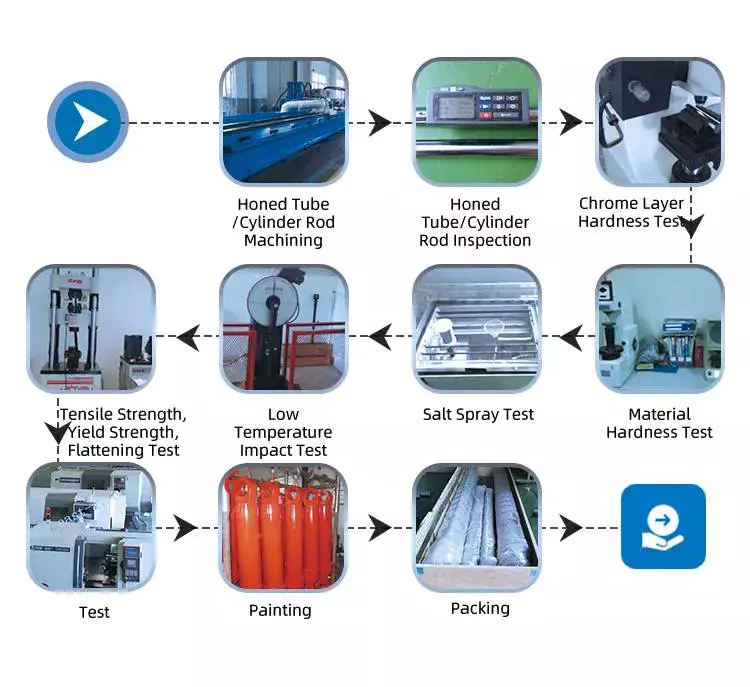
700 sets manufacturing equipment,such as cold drawing production line ,heat treatment production line ,surface treatment production line,testing equipment,various digital-control machining equipment,gantry style linear electroplating production line.
4. hydraulic telescopic cylinder for dump truck quality guarantee system
Program before Delivery
1). Trial Operation Test
2). Start-up Pressure Test
3). Pressure-Tight Test
4). Leak Test
5). Full Stroke Test
6). Buffer Test
7). Testing the Effect of Limit
8). Load Efficiency Test
9). Reliability Test
Every piece of hydraulic cylinder are tested and will send out only after they are pasted the each test.
Our company has abundant technical force and perfect testing means. By making wide technical and business cooperation with many related enterprises, universities, colleges and institutes both at home and abroad, and employing senior engineers and software engineers, we have greatly strengthened and improved our designing, processing, and testing abilities.
5. After-service
1).Pre-sale service: Keep communicating with the truck manufacturers , including selection of product model , design of hydraulic system, test of performance and analysis of the accident. Once the problems occur, we will solve them immediately together with truck manufacturers .
2).The sale service: Provide training and technical support for users.
3).After-sale service: Solve the problem firstly, then analyse responsibility ; Replace the system components immediately if any need.
4). 24 hours telephone service hotline.
6.Exhibition and partner
7. FAQ
Q1. What are the same aspects of your cylinder with CHINAMFG cylinder?
A: Same inside structure.
Same outside dimension and same mounting sizes. It can be interchangeable with Hyva’s
Q2. Compared with CHINAMFG cylinder, what are your cylinder advantages?
A: 1. Rod are chrome plated.
2. Tubes are quenched and tempered.
3. Tube inner hole goes through deephole boring machine processing. Surface roughness is 0.4Ra
and circular degree is 0.571.
4. Good quality yet lower price.
Q3: Are you a manufacture or a trade company?
A: Manufacture, we are the leader manufacturer of hydraulic industry in China with over 20 years’ experience and technology accumulation. With strong technical team we could solve any annoyance of you.
Q4: Do you have quality control system?
A: Yes, The quality management system introduced is: ISO/TS 16949:2009-certified by NQA and IATF cert.
Q5: How can i get a booklet and buy a cylinder from you?
A: Very easy! Just leave me a message or email or call me directly, let me know you are interesting in our products. I will talk with you for the details soon!
Q6: Can you tell me the price for the cylinder?
A: 1. Please advice the drawing with technical requirement.
2. Please advice the model No. after you check our booklet.
3. Please advice the tipping capacity, number of stages, closed length, mounting type and size.
4. Please also help advice the quantities, this is very important.
Q7: Do your products come with a warranty?
A: Yes, we have 14month from production time. In this time, if the quality problem we will free repair for you.
Q8: Hydraulic cylinder internal leakage?
A: 3 main reasons causing internal leakage: Overload, polishing bad controlled, cheap seal kits. As is known to all, vehicles in China are often overloaded, our products all designed to bear the overload power. Advanced equipment could assure the polish processing. And we use the imported/TOP brand seals to meet customers’ requirement.
Q9: What about the quality feedback of your products?
A: WE HAVE NEVER RECEIVED EVEN ONCE QUALITY COMPLAINT FOR MANY YEARS OF INTERNATIONAL BUSINESS.
Q10: Can you help me to install or recommend what kind of hydraulic cylinder or power pack should I use for specific machine?
A: Yes, we have 25 experienced engineers who are always ready to help you. If you do not know what kind of hydraulic cylinders should be used in your machine, please just contact us, our engineers will design the exact products match your need.
Q11: What is the delivery time?
A: 20 days for bulk production, which is depend on quality, production process and so on.
Q12: What is your main payment term?
A: T/T, L/C, D/A, D/P either is available.
Q13: What is your contact information?
A: Mob: –
| Certification: | ISO9001 |
|---|---|
| Pressure: | Medium Pressure |
| Work Temperature: | Normal Temperature |
| Acting Way: | Single Acting |
| Working Method: | Straight Trip |
| Adjusted Form: | Regulated Type |
| Customization: |
Available
|
|
|---|
How do hydraulic cylinders compare to other methods of force generation like electric motors?
Hydraulic cylinders and electric motors are two different methods of force generation with distinct characteristics and applications. While both hydraulic cylinders and electric motors can generate force, they differ in terms of their working principles, performance attributes, and suitability for specific applications. Here’s a detailed comparison of hydraulic cylinders and electric motors:
1. Working Principle:
– Hydraulic Cylinders: Hydraulic cylinders generate force through the conversion of fluid pressure into linear motion. They consist of a cylinder barrel, piston, piston rod, and hydraulic fluid. When pressurized hydraulic fluid enters the cylinder, it pushes against the piston, causing the piston rod to extend or retract, thereby generating linear force.
– Electric Motors: Electric motors generate force through the conversion of electrical energy into rotational motion. They consist of a stator, rotor, and electromagnetic field. When an electrical current is applied to the motor’s windings, it creates a magnetic field that interacts with the rotor, causing it to rotate and generate torque.
2. Force and Power:
– Hydraulic Cylinders: Hydraulic cylinders are known for their high force capabilities. They can generate substantial linear forces, making them suitable for heavy-duty applications that require lifting, pushing, or pulling large loads. Hydraulic systems can provide high force output even at low speeds, allowing for precise control over force application. However, hydraulic systems typically operate at lower speeds compared to electric motors.
– Electric Motors: Electric motors excel in providing high rotational speeds and are commonly used for applications that require rapid motion. While electric motors can generate significant torque, they tend to have lower force output compared to hydraulic cylinders. Electric motors are suitable for applications that involve continuous rotary motion, such as driving conveyor belts, rotating machinery, or powering vehicles.
3. Control and Precision:
– Hydraulic Cylinders: Hydraulic systems offer excellent control over force, speed, and positioning. By regulating the flow of hydraulic fluid, the force and speed of hydraulic cylinders can be precisely controlled. Hydraulic systems can provide gradual acceleration and deceleration, allowing for smooth and precise movements. This level of control makes hydraulic cylinders well-suited for applications that require precise positioning, such as in industrial automation or construction equipment.
– Electric Motors: Electric motors also offer precise control over speed and positioning. Through motor control techniques such as varying voltage, frequency, or pulse width modulation (PWM), the rotational speed and position of electric motors can be accurately controlled. Electric motors are commonly used in applications that require precise speed control, such as robotics, CNC machines, or servo systems.
4. Efficiency and Energy Consumption:
– Hydraulic Cylinders: Hydraulic systems can be highly efficient, especially when properly sized and designed. However, hydraulic systems typically have higher energy losses due to factors such as fluid leakage, friction, and heat generation. The overall efficiency of a hydraulic system depends on the design, component selection, and maintenance practices. Hydraulic systems require a hydraulic power unit to pressurize the hydraulic fluid, which consumes additional energy.
– Electric Motors: Electric motors can have high efficiency, especially when operated at their optimal operating conditions. Electric motors have lower energy losses compared to hydraulic systems, primarily due to the absence of fluid leakage and lower friction losses. The overall efficiency of an electric motor depends on factors such as motor design, load conditions, and control techniques. Electric motors require an electrical power source, and their energy consumption depends on the motor’s power rating and the duration of operation.
5. Environmental Considerations:
– Hydraulic Cylinders: Hydraulic systems typically use hydraulic fluids that can pose environmental concerns if they leak or are not properly disposed of. The choice of hydraulic fluid can impact factors such as biodegradability, toxicity, and potential environmental hazards. Proper maintenance and leak prevention practices are essential to minimize the environmental impact of hydraulic systems.
– Electric Motors: Electric motors are generally considered more environmentally friendly since they do not require hydraulic fluids. However, the environmental impact of electric motors depends on the source of electricity used to power them. When powered by renewable energy sources, such as solar or wind, electric motors can offer a greener solution compared to hydraulic systems.
6. Application Suitability:
– Hydraulic Cylinders: Hydraulic cylinders are commonly used in applications that require high force output, precise control, and durability. They are widely employed in industries such as construction, manufacturing, mining, and aerospace. Hydraulic systems are well-suited for heavy-duty applications, such as lifting heavy objects, operating heavy machinery, or controlling large-scale movements.
– Electric Motors: Electric motors are widely used in various industries and applications that require rotational motion, speed control, and precise positioning. They are commonly found in appliances, transportation, robotics, HVAC systems, and automation. Electric motorsare suitable for applications that involve continuous rotary motion, such as driving conveyor belts, rotating machinery, or powering vehicles.In summary, hydraulic cylinders and electric motors have different working principles, force capabilities, control characteristics, efficiency levels, and application suitability. Hydraulic cylinders excel in providing high force output, precise control, and durability, making them ideal for heavy-duty applications. Electric motors, on the other hand, offer high rotational speeds, precise speed control, and are commonly used for applications that involve continuous rotary motion. The choice between hydraulic cylinders and electric motors depends on the specific requirements of the application, including the type of motion, force output, control precision, and environmental considerations.
Handling Challenges of Different Fluid Viscosities in Hydraulic Cylinders
Hydraulic cylinders are designed to handle the challenges associated with different fluid viscosities. The viscosity of hydraulic fluid can vary based on temperature, type of fluid used, and other factors. Hydraulic systems need to accommodate these variations to ensure optimal performance and efficiency. Let’s explore how hydraulic cylinders handle the challenges of different fluid viscosities:
- Fluid Selection: Hydraulic cylinders are designed to work with a range of hydraulic fluids, each with its specific viscosity characteristics. The selection of an appropriate fluid with the desired viscosity is crucial to ensure optimal performance. Manufacturers provide guidelines regarding the recommended viscosity range for specific hydraulic systems and cylinders. By choosing the right fluid, hydraulic cylinders can effectively handle the challenges posed by different fluid viscosities.
- Viscosity Compensation: Hydraulic systems often incorporate features to compensate for variations in fluid viscosity. For example, some hydraulic systems utilize pressure compensating valves that adjust the flow rate based on the viscosity of the fluid. This compensation ensures consistent performance across different operating conditions and fluid viscosities. Hydraulic cylinders work in conjunction with these compensation mechanisms to maintain precision and control, regardless of the fluid viscosity.
- Temperature Control: Fluid viscosity is highly dependent on temperature. Hydraulic cylinders employ various temperature control mechanisms to address the challenges posed by temperature-induced viscosity changes. Heat exchangers, coolers, and thermostatic valves are commonly used to regulate the temperature of the hydraulic fluid within the system. By controlling the fluid temperature, hydraulic cylinders can maintain the desired viscosity range, ensuring reliable and efficient operation.
- Efficient Filtration: Contaminants in hydraulic fluid can affect its viscosity and overall performance. Hydraulic systems incorporate efficient filtration systems to remove particles and impurities from the fluid. Clean fluid with the appropriate viscosity ensures optimal functioning of hydraulic cylinders. Regular maintenance and filter replacements are essential to uphold the desired fluid viscosity and prevent issues related to fluid contamination.
- Proper Lubrication: Different fluid viscosities can impact the lubrication properties within hydraulic cylinders. Lubrication is essential for minimizing friction and wear between moving parts. Hydraulic systems employ lubricants specifically formulated for the anticipated fluid viscosity range. Adequate lubrication ensures smooth operation and extends the lifespan of hydraulic cylinders, even in the presence of varying fluid viscosities.
In summary, hydraulic cylinders employ various strategies to handle the challenges associated with different fluid viscosities. By selecting appropriate fluids, incorporating viscosity compensation mechanisms, controlling temperature, implementing efficient filtration, and ensuring proper lubrication, hydraulic cylinders can accommodate variations in fluid viscosity. These measures enable hydraulic systems to deliver consistent performance, precise control, and efficient operation across different fluid viscosity ranges.
Can you provide real-world examples of machinery that heavily rely on hydraulic cylinders?
Hydraulic cylinders are widely used in various industries and applications due to their ability to provide powerful and precise linear motion. They play a crucial role in enabling the operation of heavy machinery that requires controlled force and movement. Here are some real-world examples of machinery that heavily rely on hydraulic cylinders:
1. Construction Equipment:
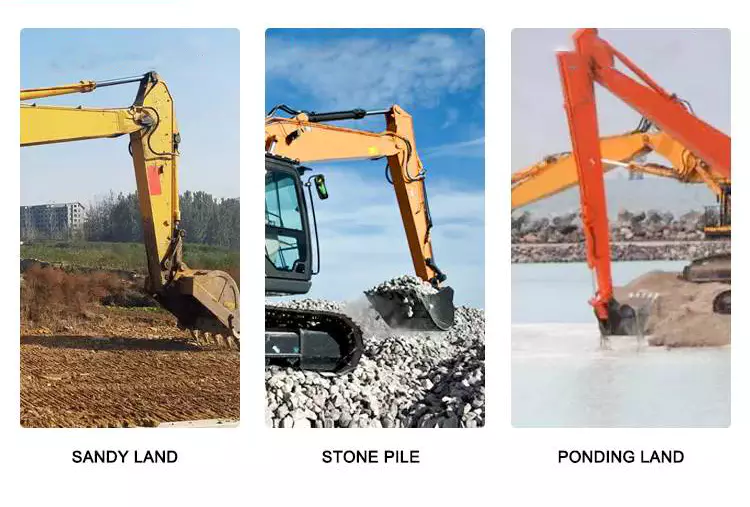
– Hydraulic cylinders are extensively used in construction machinery, such as excavators, bulldozers, loaders, and cranes. These machines rely on hydraulic cylinders to perform tasks like lifting heavy loads, extending and retracting booms, tilting buckets, and controlling the movement of various components. Hydraulic cylinders provide the power and precision required to handle the demanding conditions and heavy loads encountered in construction projects.
2. Agricultural Machinery:
– Many agricultural machines, including tractors, combine harvesters, and sprayers, utilize hydraulic cylinders for critical operations. Hydraulic cylinders are used to control the movement of attachments, such as front loaders, backhoes, and plows. They enable functions like lifting and lowering implements, adjusting cutting heights, and controlling the positioning of harvesting equipment. Hydraulic cylinders enhance efficiency and productivity in agricultural operations.
3. Material Handling Equipment:
– Hydraulic cylinders are integral components of material handling equipment, such as forklifts, pallet jacks, and cranes. These machines rely on hydraulic cylinders to lift and lower loads, tilt platforms or forks, and control the movement of lifting mechanisms. Hydraulic cylinders provide the necessary strength and precision to handle heavy loads and ensure safe and efficient material handling operations.
4. Industrial Machinery:
– Various industrial machinery and equipment heavily rely on hydraulic cylinders for critical functions. Examples include hydraulic presses, injection molding machines, metal-forming machines, and hydraulic-powered robots. Hydraulic cylinders enable precise control of force and movement in these applications, allowing for accurate shaping, pressing, and assembly processes.
5. Mining Equipment:
– Hydraulic cylinders are extensively used in mining machinery and equipment. Underground mining machines, such as continuous miners and longwall shearers, utilize hydraulic cylinders for cutting, shearing, and roof support operations. Surface mining equipment, including hydraulic shovels, draglines, and haul trucks, rely on hydraulic cylinders for tasks like bucket movement, boom extension, and vehicle suspension.
6. Automotive Industry:
– The automotive industry extensively utilizes hydraulic cylinders in various applications. Hydraulic cylinders are employed in vehicle suspension systems, power steering systems, convertible tops, and hydraulic brake systems. They enable smooth and controlled movement, precise steering, and efficient braking in automobiles.
7. Aerospace and Aviation:
– Hydraulic cylinders are utilized in aerospace and aviation applications, such as aircraft landing gear systems, wing flaps, and cargo handling equipment. Hydraulic cylinders provide the necessary force and control for extending and retracting landing gear, adjusting wing flaps, and operating cargo doors, ensuring safe and reliable aircraft operations.
8. Marine and Offshore Industry:
– Hydraulic cylinders are essential components in marine and offshore equipment, including ship cranes, winches, and hydraulic-powered anchor systems. They enable lifting, lowering, and positioning of heavy loads, as well as the control of various marine equipment.
These are just a few examples of machinery and industries that heavily rely on hydraulic cylinders. The versatility, power, and precise control offered by hydraulic cylinders make them indispensable in a wide range of applications, where controlled linear motion and force are essential.


editor by CX 2023-10-12