
Product Description
Specifications:
| Product Name | HSG Series Hydraulic Cylinder |
| Work Press | 7/14/16/21/31.5MPa 37.5/63MPa Can be Customized |
| Material | Aluminum, Cast Iron,45mnb Steel, Stainless Steel |
| Bore Size | 40mm–320mm, Customizable |
| Shaft Diameter | 20mm–220mm, Customizable |
| Stroke Length | 30mm–14100mm, Customizable |
| Rod Surface Hardness | HRC48-54 |
| Operating Temperature | -40°C to +120 °C |
| Paint Color | Black, Yellow, Blue, Brown, Customizable |
| Service | OEM&ODM |
| Warranty | 1 Year |
| MOQ | 1 Piece |
| Delivery Time | 7-15 Days, Also depending on specific demands |
| Certification | ISO9001,CE |
| Capacity | 50,000Pcs per year |
Product Display:
Mounting:
Working Flow: About Us
Tongte designs and manufactures durable, heavy-duty hydraulic products and accessories and offers lifecycle services to them. We constantly develop our machine base and operations to meet customer-specific needs and remain leaders in the industry. Beyond all else, we want to be the trusted, groundbreaking partner our customers truly need.
In addition to the customized cylinders, CHINAMFG offers hydraulic power units, Electric-Hydraulic linear actuators, piston accumulators, system configurations, and versatile services such as repair and manufacturing services. The modern production facilities are located in HangZhou, ZheJiang (China) where production started in 2001. The core values of Tongke guiding its business strongly are commitment, sustainability, interaction, and customer-first.
We possess over 20 years of experience in the industry and extensive global market experience, our customers are located all over the world, and we truly commit to the customers’ needs – these are the success factors of our family-owned company. Our vision is to grow and expand the business further into global markets.
FAQ:
Q1: What does your company do?
A: we are a supplier of high-quality hydraulic products including Hydraulic Cylinders, Hydraulic Power packs, Hydraulic Linear, and other Hydraulic components.
Q2:Are you a manufacturer or trading company?
A: We are a manufacturer.
Q3:Are you able to make Non-standard or customized products?
A: Yes, we can.
Q3: How long is your delivery time?
A: Normally, the delivery time is 7 days if we have stock, and 15-30 working days if we don’t. but it
also depends on the product
requirements and quantity.
Q4: Do you provide samples? are the samples free or not?
A: Yes, we can provide samples, but they are not free of charge.
Q5: What are your payment terms?
A: 30% deposit T/T or Irrevocable L/C at sight, If you have any questions, please feel free to
contact us.
Q6: What is your warranty policy?
A: All our products are warranted for 1 full year from the date of delivery against defects in materials and workmanship. Each individual product will be strictly inspected on our factory QC Process
System before shipment. We also have a Customer Service team to respond to customers’ questions within 12 hours.
| Certification: | ISO9001 |
|---|---|
| Pressure: | High Pressure |
| Work Temperature: | Normal Temperature |
| Customization: |
Available
|
|
|---|
.shipping-cost-tm .tm-status-off{background: none;padding:0;color: #1470cc}
|
Shipping Cost:
Estimated freight per unit. |
about shipping cost and estimated delivery time. |
|---|
| Payment Method: |
|
|---|---|
|
Initial Payment Full Payment |
| Currency: | US$ |
|---|
| Return&refunds: | You can apply for a refund up to 30 days after receipt of the products. |
|---|
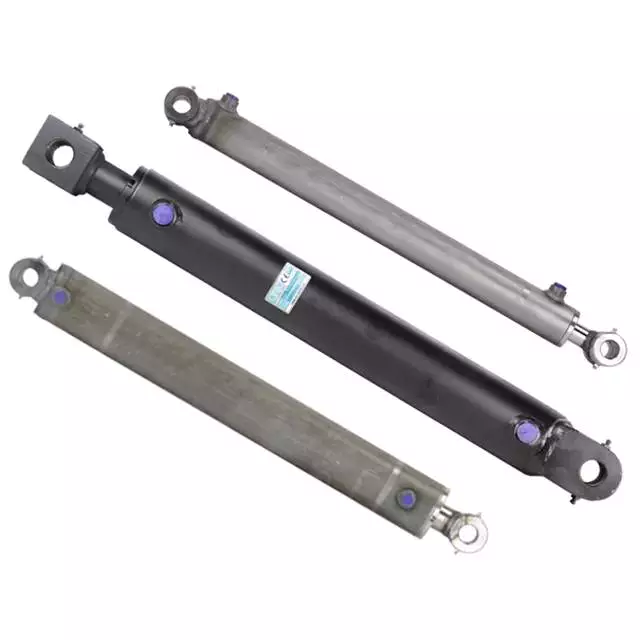
What role do hydraulic cylinders play in optimizing power distribution and efficiency?
Hydraulic cylinders play a significant role in optimizing power distribution and efficiency in various applications. They are widely used in industries such as construction, manufacturing, agriculture, and transportation, where efficient power transmission and precise control are essential. Here’s a detailed explanation of the role hydraulic cylinders play in optimizing power distribution and efficiency:
1. Power Transmission:
– Hydraulic cylinders serve as a means of power transmission in hydraulic systems. They convert the hydraulic fluid’s pressure and flow into linear mechanical force, allowing for controlled movement of loads. Hydraulic cylinders efficiently transmit power from an energy source, such as a hydraulic pump, to the working components of the system. The ability to transmit power over long distances with minimal energy losses makes hydraulic cylinders an efficient choice for various applications.
2. High Power Density:
– Hydraulic cylinders offer high power density, meaning they can generate significant force relative to their size. This characteristic enables compact and lightweight hydraulic systems while delivering substantial power output. Hydraulic cylinders can produce high forces even at low operating speeds, making them suitable for heavy-duty applications. The high power density of hydraulic cylinders contributes to the optimization of power distribution by maximizing the force output while minimizing the system’s overall size and weight.
3. Load Handling and Control:
– Hydraulic cylinders provide precise load handling and control capabilities, contributing to power distribution optimization. By adjusting the flow of hydraulic fluid to the cylinder, operators can control the speed, force, and direction of the cylinder’s movement. This level of control allows for accurate positioning and smooth operation of loads, reducing energy waste and improving overall system efficiency. Hydraulic cylinders enable precise load handling and control, leading to optimal power distribution and improved energy efficiency.
4. Variable Force and Speed:
– Hydraulic cylinders offer the advantage of variable force and speed control. By regulating the flow of hydraulic fluid, the force exerted by the cylinder can be adjusted as needed. This flexibility enables hydraulic systems to adapt to different load requirements, optimizing power distribution. Hydraulic cylinders can operate at varying speeds, allowing for efficient power distribution across different stages of an operation. The ability to vary force and speed according to the application’s demands enhances energy efficiency and overall system performance.
5. Energy Recovery:
– Hydraulic cylinders can contribute to energy efficiency through energy recovery mechanisms. In certain applications, hydraulic systems utilize accumulators to store and release energy. Hydraulic cylinders can store energy during deceleration or when the load is lowering, and then release it to assist in subsequent movements. This energy recovery process reduces the overall energy consumption of the system, optimizing power distribution and improving efficiency. The ability to recover and reuse energy enhances the sustainability and cost-effectiveness of hydraulic systems.
6. Integrated Control Systems:
– Hydraulic cylinders can be integrated into advanced control systems, such as servo control or proportional control systems. These systems utilize electronic feedback, sensors, and control algorithms to optimize power distribution and efficiency. By continuously monitoring and adjusting the flow of hydraulic fluid, the control systems ensure that the cylinder operates at the most efficient operating point, minimizing energy losses and maximizing power distribution. Integrated control systems enhance the overall energy efficiency of hydraulic systems and contribute to power optimization.
7. System Efficiency Improvement:
– Hydraulic cylinders, when combined with other components in a hydraulic system, contribute to overall system efficiency improvement. The integration of efficient hydraulic pumps, valves, and actuators helps minimize energy losses, pressure drops, and heat generation. By optimizing the design and configuration of the hydraulic system, including the selection of appropriate cylinder sizes, operating pressures, and control strategies, power distribution can be optimized, leading to improved energy efficiency. Proper system design and component selection are critical for achieving optimal power distribution and efficiency.
In summary, hydraulic cylinders play a crucial role in optimizing power distribution and efficiency in various applications. They enable efficient power transmission, offer high power density, provide precise load handling and control, allow for variable force and speed control, facilitate energy recovery, can be integrated into advanced control systems, and contribute to overall system efficiency improvement. By leveraging the capabilities of hydraulic cylinders, industries can achieve better power utilization, reduced energy consumption, and improved system performance.
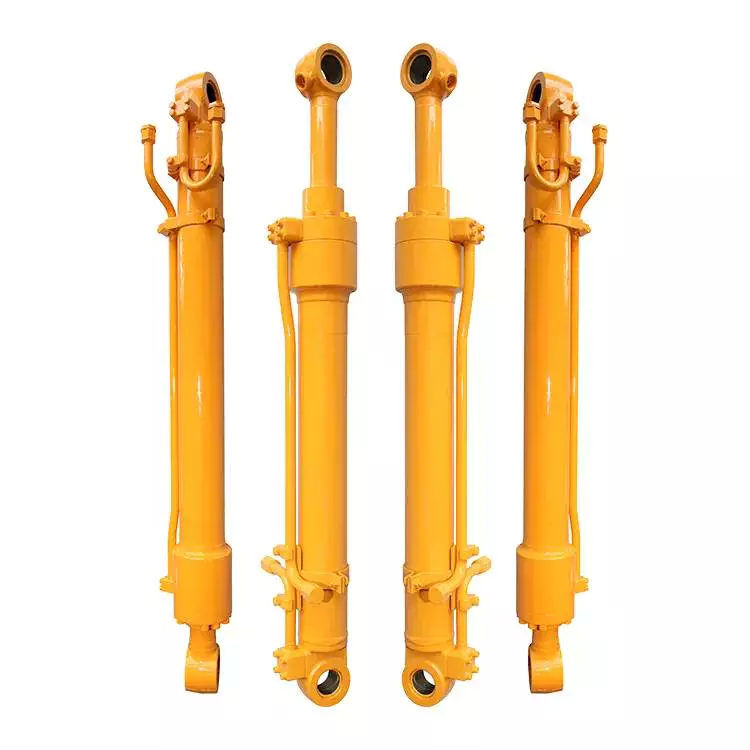
Utilizing Hydraulic Cylinders in Conjunction with Alternative Energy Sources
Hydraulic cylinders can indeed be used in conjunction with alternative energy sources. The versatile nature of hydraulic systems allows them to be integrated with various alternative energy technologies to enhance efficiency, control, and power generation. Let’s explore some examples of how hydraulic cylinders can be utilized alongside alternative energy sources:
- Hydraulic Energy Storage: Hydraulic cylinders can be employed in energy storage systems that utilize alternative energy sources such as renewable sources (e.g., solar or wind) or waste energy recovery. These systems convert excess energy into hydraulic potential energy by pumping fluid into a high-pressure accumulator. When the energy is needed, the pressurized fluid is released, driving the hydraulic cylinder and generating mechanical power.
- Wave and Tidal Energy Conversion: Hydraulic cylinders can be utilized in wave and tidal energy conversion systems. These systems harness the power of ocean waves or tidal currents and convert it into usable energy. Hydraulic cylinders, along with associated pumps and valves, can be used to capture and control the energy from the waves or tides, driving the cylinders and generating mechanical power or producing electricity.
- Hydroelectric Power Generation: Hydraulic cylinders play a crucial role in traditional hydroelectric power generation. However, alternative approaches such as small-scale or micro-hydropower systems can also benefit from hydraulic cylinders. These systems utilize natural or man-made water flows to drive turbines connected to hydraulic cylinders, which then convert the hydraulic energy into mechanical power or electricity.
- Hydraulic Actuation in Wind Turbines: Hydraulic cylinders can be employed in wind turbines to enhance performance and control. For example, hydraulic pitch control systems use hydraulic cylinders to adjust the pitch angle of wind turbine blades, optimizing their aerodynamic performance based on wind conditions. This allows for efficient power generation and protection against excessive wind loads.
- Geothermal Energy Extraction: Geothermal energy extraction involves utilizing the natural heat from the Earth’s interior to generate power. Hydraulic cylinders can be utilized in geothermal systems to control and regulate fluid flow, allowing for efficient extraction and utilization of geothermal energy. They can also be used in geothermal heat pumps for heating and cooling applications.
In summary, hydraulic cylinders can be effectively utilized in conjunction with alternative energy sources to enhance energy storage, power generation, and control. Whether it’s through hydraulic energy storage systems, wave and tidal energy conversion, hydroelectric power generation, hydraulic actuation in wind turbines, or geothermal energy extraction, hydraulic cylinders offer versatile and efficient solutions for harnessing and utilizing alternative energy sources.
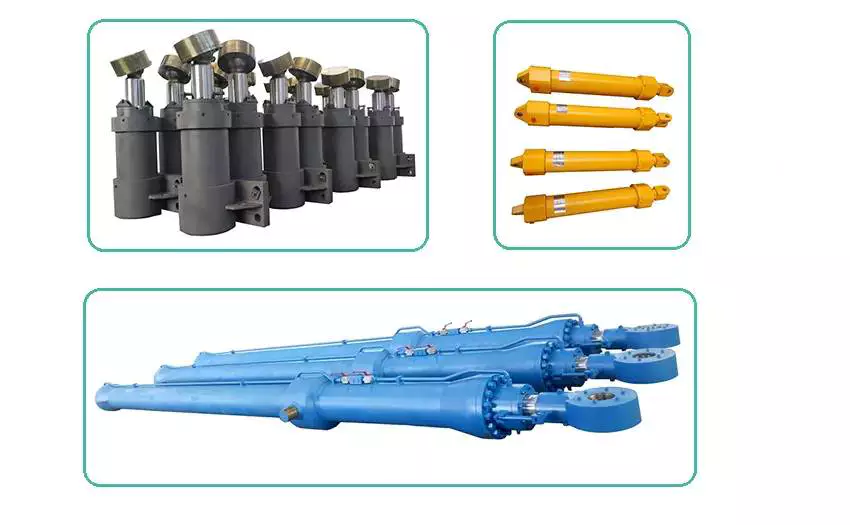
Can hydraulic cylinders be adapted for use in both industrial and mobile equipment?
Yes, hydraulic cylinders can be adapted for use in both industrial and mobile equipment. The versatility and adaptability of hydraulic systems make them suitable for a wide range of applications across various industries. Here’s a detailed explanation:
1. Industrial Equipment:
– Hydraulic cylinders are extensively used in industrial equipment such as manufacturing machinery, construction equipment, material handling systems, and heavy-duty machinery. They provide the necessary force and controlled movement for tasks such as lifting, pushing, pulling, and positioning heavy loads. Industrial hydraulic cylinders are typically designed for robustness, durability, and high load-bearing capacities to withstand the demanding environments and heavy-duty applications encountered in industries.
2. Mobile Equipment:
– Hydraulic cylinders are also widely adopted in mobile equipment, including agricultural machinery, mining equipment, forestry machinery, and transportation vehicles. These cylinders enable various functions such as tilting, lifting, steering, and stabilizing. Mobile hydraulic cylinders are designed to be compact, lightweight, and efficient to meet the specific requirements of mobile applications. They are often integrated into hydraulic systems that power multiple functions in a single machine.
3. Adaptability:
– One of the key advantages of hydraulic cylinders is their adaptability. They can be customized and configured to suit different operating conditions, equipment sizes, load capacities, and speed requirements. Hydraulic cylinder manufacturers offer a wide range of sizes, stroke lengths, mounting options, and rod configurations to accommodate diverse applications. This adaptability allows hydraulic cylinders to be utilized in both industrial and mobile equipment, serving various purposes across different sectors.
4. Mounting Options:
– Hydraulic cylinders can be adapted to different mounting arrangements to suit the specific requirements of industrial and mobile equipment. They can be mounted in various orientations, including vertical, horizontal, or at an angle. Different mounting options, such as flange mounts, trunnion mounts, and clevis mounts, provide flexibility in integrating hydraulic cylinders into different equipment designs.
5. Integration with Hydraulic Systems:
– Hydraulic cylinders are often part of a larger hydraulic system that includes components such as pumps, valves, hoses, and reservoirs. These systems can be tailored to meet the specific needs of both industrial and mobile equipment. The hydraulic system’s design and configuration can be adapted to provide the necessary flow rates, pressures, and control mechanisms required for optimal performance in the intended application.
6. Control and Automation:
– Hydraulic cylinders in both industrial and mobile equipment can be integrated with control systems and automation technologies. This allows for precise and automated control of the cylinder’s movement and function. Proportional control valves, sensors, and electronic controls can be incorporated to achieve accurate positioning, speed control, and synchronization of multiple hydraulic cylinders, enhancing overall equipment performance and productivity.
7. Safety Considerations:
– Hydraulic cylinders for both industrial and mobile equipment are designed with safety in mind. They often feature built-in safety mechanisms such as overload protection, pressure relief valves, and emergency stop systems to prevent accidents and equipment damage. Safety standards and regulations specific to each industry are taken into account during the design and adaptation of hydraulic cylinders for different applications.
Overall, hydraulic cylinders offer the adaptability and performance required for use in both industrial and mobile equipment. Their versatility, customizable features, mounting options, integration capabilities, and safety considerations make them suitable for a wide range of applications across diverse industries. Whether it’s heavy-duty industrial machinery or mobile equipment operating in challenging environments, hydraulic cylinders can be adapted to meet the specific needs and requirements of various equipment types.


editor by CX 2023-11-23