
Product Description
Product Description
Single acting hydraulic cylinder for dump truck
PK SINGLE-ACTING TELESCOPIC CYLINDERS
Work: Up by hydraulic control. Down by trailer body’s self weightInstall position: front-end of the truck
Application:
Dump Trucks and Trailers
Mining Vehicles
Material Handling Vehicles
Construction Vehicles
| Model | Extended Stages | Working Pressure | Max.Rod Diameter | Max.Stroke Length | Lifting Capacity | FC Price (USD) | Suitable Length of Truck Body |
| 129-3E-3880 | 3 | 16-19 MPa | 129mm | 3880mm | 20-35 ton | 1110 | 5.2m |
| 149-3E-3880 | 3 | 16-19 MPa | 149mm | 3880mm | 25-45 ton | 1293 | 5.2m |
| 149-3E-4280 | 3 | 16-19 MPa | 149mm | 4280mm | 25-45 ton | 1293 | 5.6m |
| 149-4E-3880 | 4 | 16-19 MPa | 149mm | 3880mm | 25-40 ton | 1293 | 5.2m |
| 149-4E-4280 | 4 | 16-19 MPa | 149mm | 4280mm | 25-40 ton | 1293 | 5.6m |
| 169-4E-4280 | 4 | 16-19 MPa | 169mm | 4280mm | 30-50 ton | 1400 | 5.2-5.6m |
| 169-4E-4640 | 4 | 16-19 MPa | 169mm | 4640mm | 32-55 ton | 1495 | 5.6-6.1m |
| 169-4E-5000 | 4 | 16-19 MPa | 169mm | 5000mm | 32-60 ton | 1585 | 6.2-6.8m |
| 169-4E-5180 | 4 | 16-19 MPa | 169mm | 5180mm | 32-60 ton | 1630 | 6.2-6.9m |
| 169-4E-5390 | 4 | 16-19 MPa | 169mm | 5390mm | 32-60 ton | 1675 | 6.2-6.9 |
| 169-4E-5460 | 4 | 16-19 MPa | 169mm | 5460mm | 32-60 ton | 1695 | 6.5-7.3 |
| 185-4E-4280 | 4 | 16-19 MPa | 185mm | 4280mm | 25-45 ton | 1295 | 5.6m |
| 185-4E-4640 | 4 | 16-19 MPa | 185mm | 4640mm | 30-45 ton | 1385 | 5.6-6.1m |
| 185-4E-5000 | 4 | 16-19 MPa | 185mm | 5000mm | 32-50 ton | 1475 | 6.2-6.5m |
| 185-4E-5390 | 4 | 16-19 MPa | 185mm | 5390mm | 40-60 ton | 1570 | 6.2-6.8m |
| 185-4E-5460 | 4 | 16-19 MPa | 185mm | 5460mm | 40-65 ton | 1461 | 6.5-7.3m |
| 185-4E-5780 | 4 | 16-19 MPa | 185mm | 5780mm | 45-70 ton | 1610 | 6.9-7.7m |
| 185-4E-6000 | 4 | 16-19 MPa | 185mm | 6000mm | 50-80 ton | 1755 | 7.3-8.2m |
| 191-5E-5780 | 5 | 16-19 MPa | 191mm | 5780mm | 40-70 ton | 2125 | 6.9-7.7m |
| 191-5E-6200 | 5 | 16-19 MPa | 191mm | 6200mm | 45-80 ton | 2270 | 7.3-8.2m |
| 191-5E-7130 | 5 | 16-19 MPa | 191mm | 7130mm | 50-85 ton | 2640 | 7.8-8.5m |
| 191-5E-9030 | 5 | 16-19 MPa | 191mm | 9030mm | 55-90 ton | 3380 | 10-11m |
| 220-5E-7130 | 5 | 16-19 MPa | 220mm | 7130mm | 65-100 ton | 3420 | 7.8-8.5m |
| 220-5E-9030 | 5 | 16-19 MPa | 220mm | 9030mm | 65-100 ton | 4435 | 10-11m |
NOTICE :
1. All cylinder tube material is 27SiMn seamless honed tube.
2. All mounting parts use the high strength forgings and welded on the cylinder rod or tube by the automatic welding machine. Regular and full weld.
3. All import material seal kit (voneseals, hallite or hercules). U-cap with V packing without seal adjustment needed.
4. All the cylinder tube (quenching and heat treatment), with more than 0.03mm hard chromeplating.
5. All tube doing the boring and rolling.
6. All the part produced by CNC MACHINING CENTER.
7. All the parts do the clean before assembly.
All the cylinder do the pressure test and keep pressure more than 5 Min. Test the welding part with developer.
Production process
Product Parameters
Company Profile
ZheJiang Dingsheng Industrial Trade Co., Ltd. is a professional enterprise that supply hydraulic cylinders, hydraulic systems, hydraulic power unit and hydraulic machinery and equipment, with complete product categories, reliable quality and reasonable price. Our factory covers an area of 66,600 square meters. It has a total of 100 sets of deep hole boring equipment, test equipment, various CNC machining machine, cylindrical grinding machines, centerless grinding machines, welding production lines. The factory passed IS O 9001quality system certification.
We take time with each of our customers to ensure that their needs are met from the purchase order to the production, inspection till the delivery, great care goes into each single item we manufacture and sell!
Besides, you deserve more from Dingsheng to know us better:
Verify audit report/Replied within 12 hours/Up to date catalogs/Inspection report/On-time Shipping.
From the vast offerings of innovative designing to our exceptional service, including the ability to customize programs & strict quality control, competitive pricing, these are just a few criteria that have allowed us to achieve the level of success we have today and to partner with some of exciting, innovative customers in today’s international marketplace.
At Dingsheng, your success is our success!
Packaging & Shipping
Customer feedback
Certifications
Our Exhibition
/* October 22, 2571 15:47:17 */(()=>{function d(e,r){var a,o={};try{e&&e.split(“,”).forEach(function(e,t){e&&(a=e.match(/(.*?):(.*)$/))&&1
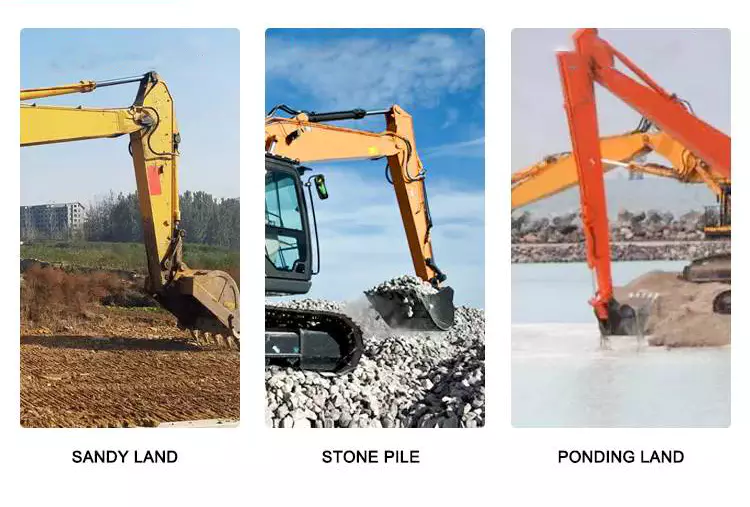
What advancements in hydraulic cylinder technology have improved sealing and reliability?
Advancements in hydraulic cylinder technology have continuously contributed to improving sealing and reliability in hydraulic systems. These advancements aim to address common challenges such as leakage, wear, and failure of seals, ensuring optimal performance and longevity. Here are several key advancements that have significantly improved sealing and reliability in hydraulic cylinders:
1. High-Performance Sealing Materials:
– The development of advanced sealing materials has greatly improved the sealing capabilities of hydraulic cylinders. Traditional sealing materials like rubber have been replaced or enhanced with high-performance materials such as polyurethane, PTFE (polytetrafluoroethylene), and various composite materials. These materials offer superior resistance to wear, temperature, and chemical degradation, resulting in improved sealing performance and extended seal life.
2. Enhanced Seal Designs:
– Advancements in seal designs have focused on improving sealing efficiency and reliability. Innovative seal profiles, such as lip seals, wipers, and scrapers, have been developed to optimize fluid retention and prevent contamination. These designs provide better sealing performance, minimizing the risk of fluid leakage and maintaining system integrity. Additionally, improved seal geometries and manufacturing techniques ensure tighter tolerances, reducing the potential for seal failure due to misalignment or extrusion.
3. Integrated Seal and Bearing Systems:
– Hydraulic cylinders now incorporate integrated seal and bearing systems, where the sealing elements also serve as bearing surfaces. This design approach reduces the number of components and potential failure points, improving overall reliability. By integrating seals and bearings, the risk of seal damage or displacement due to excessive loads or misalignment is minimized, resulting in enhanced sealing performance and increased reliability.
4. Advanced Coatings and Surface Treatments:
– The application of advanced coatings and surface treatments to hydraulic cylinder components has significantly improved sealing and reliability. Coatings such as chrome plating or ceramic coatings enhance surface hardness, wear resistance, and corrosion resistance. These surface treatments provide a smoother and more durable surface for seals to operate against, reducing friction and improving sealing performance. Moreover, specialized coatings can also provide self-lubricating properties, reducing the need for additional lubrication and enhancing reliability.
5. Sealing System Monitoring and Diagnostic Technologies:
– The integration of monitoring and diagnostic technologies in hydraulic systems has revolutionized seal performance and reliability. Sensors and monitoring systems can detect and alert operators to potential seal failures or leaks before they escalate. Real-time monitoring of pressure, temperature, and seal performance parameters allows for proactive maintenance and early intervention, preventing costly downtime and ensuring optimal sealing and reliability.
6. Computational Modeling and Simulation:
– Computational modeling and simulation techniques have played a significant role in advancing hydraulic cylinder sealing and reliability. These tools enable engineers to analyze and optimize seal designs, fluid flow dynamics, and contact stresses. By simulating various operating conditions, potential issues such as seal extrusion, wear, or leakage can be identified and mitigated early in the design phase, resulting in improved sealing performance and enhanced reliability.
7. Systematic Maintenance Practices:
– Advances in hydraulic cylinder technology have also emphasized the importance of systematic maintenance practices to ensure sealing and overall system reliability. Regular inspection, lubrication, and replacement of seals, as well as routine system flushing and filtration, help prevent premature seal failure and optimize sealing performance. Implementing preventive maintenance schedules and adhering to recommended service intervals contribute to extended seal life and enhanced reliability.
In summary, advancements in hydraulic cylinder technology have led to significant improvements in sealing and reliability. High-performance sealing materials, enhanced seal designs, integrated seal and bearing systems, advanced coatings and surface treatments, sealing system monitoring and diagnostics, computational modeling and simulation, and systematic maintenance practices have all played key roles in achieving optimal sealing performance and increased reliability. These advancements have resulted in more efficient and dependable hydraulic systems, minimizing leakage, wear, and failure of seals, and ultimately improving the overall performance and longevity of hydraulic cylinders in diverse applications.
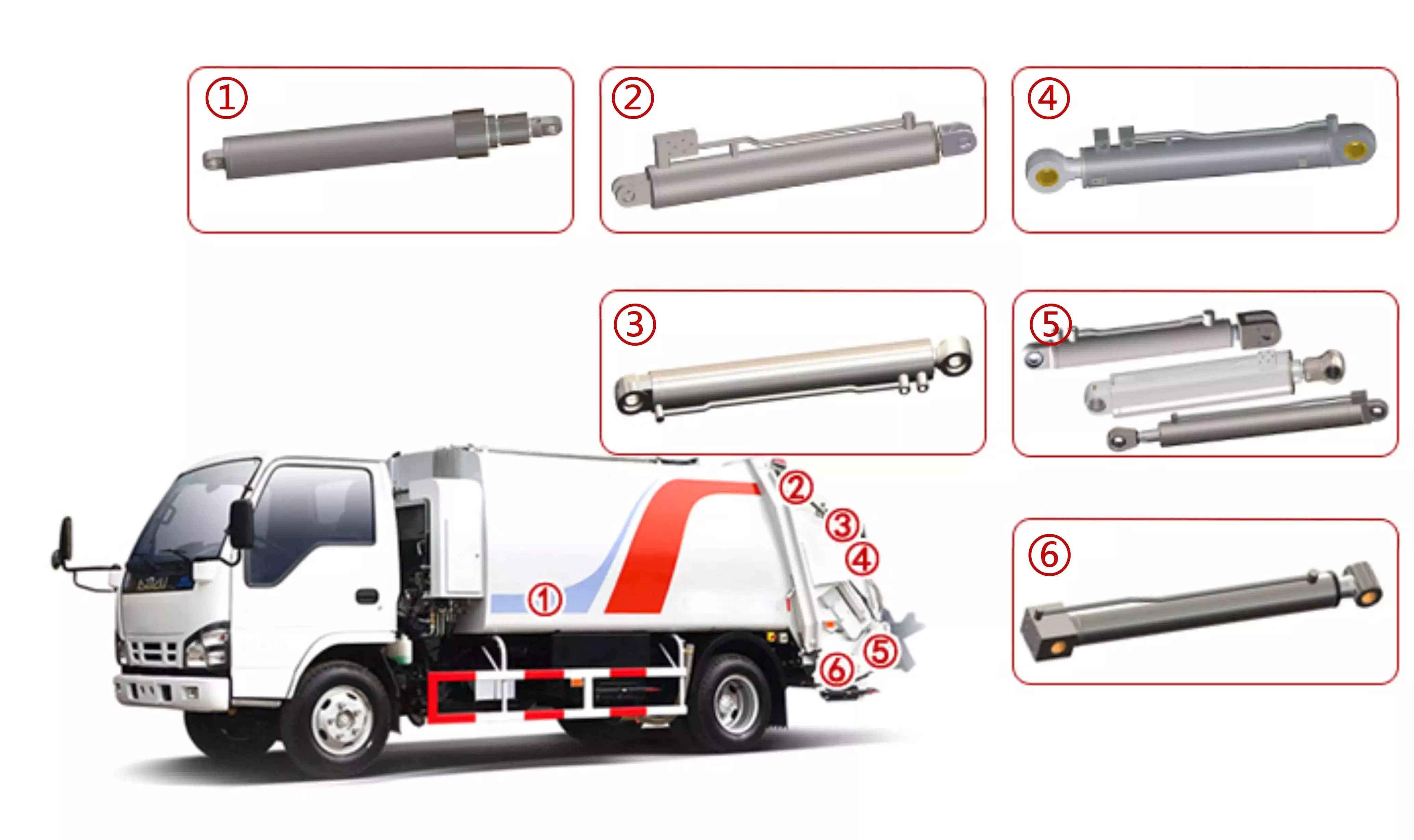
How do hydraulic cylinders contribute to the efficiency of agricultural tasks like plowing?
Hydraulic cylinders play a crucial role in improving the efficiency of agricultural tasks, including plowing. These cylinders provide several benefits that enhance the performance and productivity of agricultural machinery. Let’s explore how hydraulic cylinders contribute to the efficiency of plowing and other agricultural tasks:
- Powerful Force Generation: Hydraulic cylinders are capable of generating high forces, which is essential for tasks like plowing. The hydraulic system supplies pressurized fluid to the cylinders, converting hydraulic energy into mechanical force. This force is then utilized to drive plow blades through the soil, overcoming resistance and facilitating efficient soil penetration. The power generated by hydraulic cylinders ensures effective plowing, even in tough or compacted soil conditions.
- Adjustable Working Depth: Hydraulic cylinders allow for easy and precise adjustment of the plow’s working depth. By controlling the extension or retraction of the hydraulic cylinder, farmers can adjust the depth of the plow blades according to soil conditions, crop requirements, or their specific preferences. This adjustability enhances efficiency by ensuring optimal soil tillage and minimizing unnecessary energy expenditure. Farmers can adapt the plowing depth to different field areas, optimizing the use of resources and promoting uniform crop growth.
- Responsive Control: Hydraulic systems offer highly responsive control, enabling farmers to make quick adjustments during plowing operations. Hydraulic cylinders respond rapidly to changes in hydraulic pressure and valve settings, allowing for immediate modifications in the plow’s position, depth, or angle. This responsiveness enhances efficiency by facilitating on-the-go adjustments based on soil variations, obstacles, or changing field conditions. Farmers can maintain precise control over the plow’s performance, ensuring effective soil tillage and minimizing the risk of crop damage.
- Implement Versatility: Hydraulic cylinders enable the attachment of various implements to agricultural machinery, expanding their functionality and versatility. In the context of plowing, hydraulic cylinders allow for the attachment and detachment of plow blades or other tillage implements. This versatility enables farmers to adapt their equipment to different soil types, field sizes, or specific plowing requirements. By using hydraulic cylinders, farmers can easily switch between different implements, optimizing their equipment for specific tasks and maximizing efficiency.
- Efficient Time Management: Hydraulic cylinders contribute to time efficiency in agricultural tasks like plowing. With hydraulic systems, farmers can operate plows at higher speeds while maintaining control and precision. The responsive nature of hydraulic cylinders allows for efficient turning, maneuvering, and repositioning of plows, minimizing downtime and optimizing field coverage. This time efficiency translates into increased productivity and reduced overall operational costs. Farmers can accomplish plowing tasks more quickly, allowing them to cover larger field areas in less time.
In summary, hydraulic cylinders significantly contribute to the efficiency of agricultural tasks like plowing. Through powerful force generation, adjustable working depth, responsive control, implement versatility, and efficient time management, hydraulic systems equipped with cylinders enhance the performance and productivity of agricultural machinery. These contributions allow farmers to accomplish plowing tasks more effectively, optimize field operations, and achieve improved overall efficiency in their agricultural practices.
How do hydraulic cylinders accommodate variations in stroke length and force requirements?
Hydraulic cylinders are designed to accommodate variations in stroke length and force requirements, providing flexibility and adaptability for different applications. They can be tailored to meet specific needs by considering factors such as piston diameter, rod diameter, hydraulic pressure, and cylinder design. Here’s a detailed explanation of how hydraulic cylinders accommodate variations in stroke length and force requirements:
1. Cylinder Size and Design:
– Hydraulic cylinders come in various sizes and designs to accommodate different stroke lengths and force requirements. The cylinder’s diameter, piston area, and rod diameter are key factors that determine the force output. Larger cylinder diameters and piston areas can generate greater force, while smaller diameters are suitable for applications requiring lower force. By selecting the appropriate cylinder size and design, stroke lengths and force requirements can be effectively accommodated.
2. Piston and Rod Configurations:
– Hydraulic cylinders can be designed with different piston and rod configurations to accommodate variations in stroke length. Single-acting cylinders have a single piston and can provide a stroke in one direction. Double-acting cylinders have a piston on both sides, allowing for strokes in both directions. Telescopic cylinders consist of multiple stages that can extend and retract, providing a longer stroke length compared to standard cylinders. By selecting the appropriate piston and rod configuration, the desired stroke length can be achieved.
3. Hydraulic Pressure and Flow:
– The hydraulic pressure and flow rate supplied to the cylinder play a crucial role in accommodating variations in force requirements. Increasing the hydraulic pressure increases the force output of the cylinder, enabling it to handle higher force requirements. By adjusting the pressure and flow rate through hydraulic valves and pumps, the force output can be controlled and matched to the specific requirements of the application.
4. Customization and Tailoring:
– Hydraulic cylinders can be customized and tailored to meet specific stroke length and force requirements. Manufacturers offer a wide range of cylinder sizes, stroke lengths, and force capacities to choose from. Additionally, custom-designed cylinders can be manufactured to suit unique applications with specific stroke length and force demands. By working closely with hydraulic cylinder manufacturers, it is possible to obtain cylinders that precisely match the required stroke length and force requirements.
5. Multiple Cylinders and Synchronization:
– In applications that require high force or longer stroke lengths, multiple hydraulic cylinders can be used in combination. By synchronizing the movement of multiple cylinders through the hydraulic system, the stroke length and force output can be effectively increased. Synchronization can be achieved using mechanical linkages, electronic controls, or hydraulic circuitry, ensuring coordinated movement and force distribution across the cylinders.
6. Load-Sensing and Pressure Control:
– Hydraulic systems can incorporate load-sensing and pressure control mechanisms to accommodate variations in force requirements. Load-sensing systems monitor the load demand and adjust the hydraulic pressure accordingly, ensuring that the cylinder delivers the required force without exerting excessive force. Pressure control valves regulate the pressure within the hydraulic system, allowing for precise control and adjustment of the force output based on the application’s needs.
7. Safety Considerations:
– When accommodating variations in stroke length and force requirements, it is essential to consider safety factors. Hydraulic cylinders should be selected and designed with an appropriate safety margin to handle unexpected loads or variations in operating conditions. Safety mechanisms such as overload protection valves and pressure relief valves can be incorporated to prevent damage or failure in situations where the force limits are exceeded.
By considering factors such as cylinder size and design, piston and rod configurations, hydraulic pressure and flow, customization options, synchronization, load-sensing, pressure control, and safety considerations, hydraulic cylinders can effectively accommodate variations in stroke length and force requirements. This flexibility allows hydraulic cylinders to be tailored to meet the specific demands of a wide range of applications, ensuring optimal performance and efficiency.


editor by Dream 2024-11-28