
Product Description
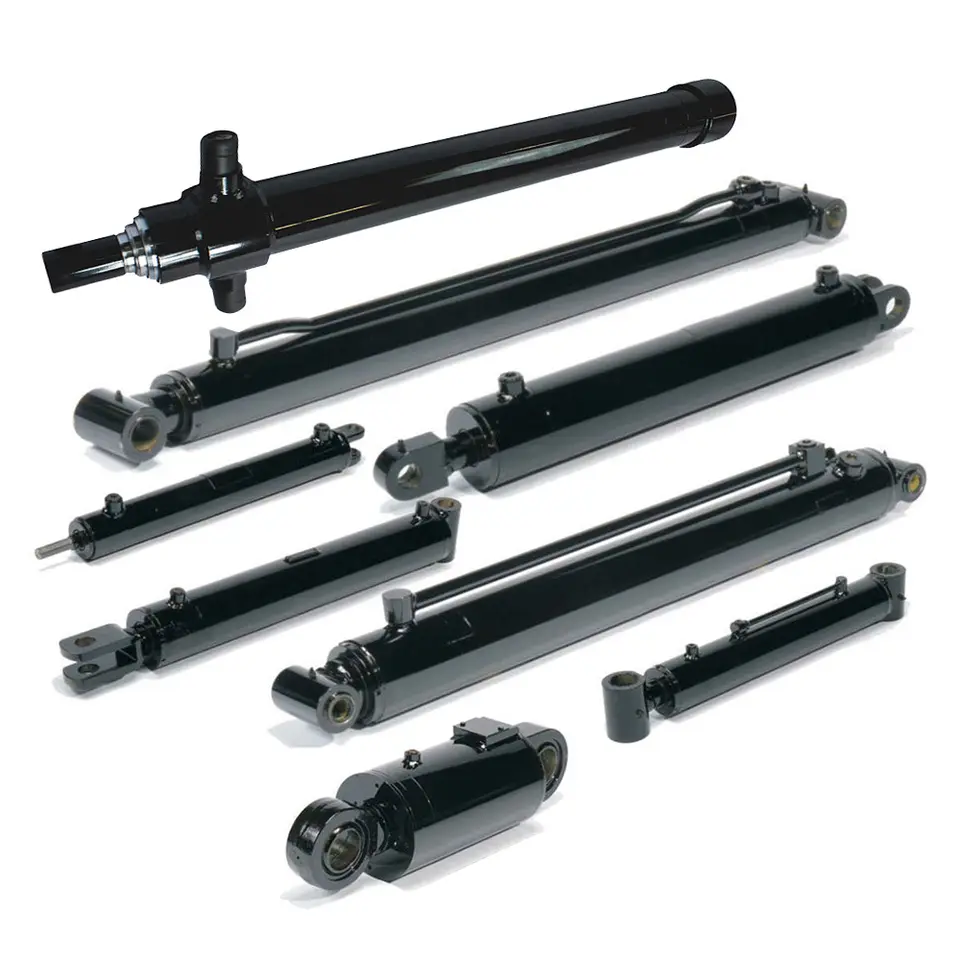
High Quality OEM Steering Hydraulic Cylinder for Forklift Hydraulic Cylinder Made in China
Product Description
| Piston diameter | Max. 200mm, customizable |
| Rod diameter | Max. 160mm, customizable |
| Stroke | Max. 2500mm, customizable |
| Pressure | 16~25Mpa |
| Operating temperature | -40~120 ºC |
| OEM | Accepted |
| MOQ | 1pcs |
We could customized per your drawing!
OTHER HYDRAULIC CYLINDERS
Company Profile
About US:
Tianjian Hydraulic. is a leader in the engineering design and manufacture of high pressure hydraulic cylinders that are widely used in the fields of mining, metallurgy, construction machinery, marine, offshore, water engineering, wind power, hydraulic press, agricultural machinery, and so on.
The Tianjian team has almost 8 years experience delivering innovative and dependable solutions to meet OEM high pressure hydraulic cylinder needs.
If possible, when contact with us, please apply information as below
|
Bore |
Rod |
Stroke |
Work Pressure |
Mounting |
Work environment |
|
|
|
|
|
|
|
Quality Assurance
| Inspection Type | Inspection Standard |
| Raw Material Inspection | Before storage, QC takes the measurement of the raw materials. |
| Process Material Inspection | During the production, QCs conduct a random inspection. Before the hydraulic cylinder parts transferred to the next process, QCs takes inspection. |
| Final Function Testing | All the hydraulic cylinders take hydraulic function test |
FAQ
FAQ:
1, What does your company do?
A: we are a supplier of high quality Hydraulic Cylinders for mining, construction, waste management, forestry, agriculture, etc.
2, Are you a manufacture or a trading company?
A: We are a manufacturer. Warmly welcome to visit us!
3, What certificate do you have?
A: All our factories are ISO certificated. And our main suppliers of materials and parts are with CE, RoHS, and UL certificates.
4, How long is your delivery time?
A: The delivery time depends on different products and quantity. The cylinder usually need about 15-60 days.
5, Can you make parts as customer’s requirement or drawing?
A: Yes, we can OEM for you as your drawings. Our engineer also can give you professional support for technical suggestions.
6, What kind of payment terms do you accept?
A: We prefer T/T through bank. 30% when order is confirmed and 70% before shipment. Can be negotiated.
7, What is your warranty policy?
A: All our products are warranted for 1 full year from date of delivery against defects in materials and workmanship. This warranty does not cover parts that are worn out through the course of normal operation or are damaged through negligence. We serious remind that unclean hydraulic oil will definitely cause damage to your Hydraulic components. And this damage is not included in the warranty range. So we strongly suggest you to use new clean oil or make sure the system oil are clean when using our parts
/* March 10, 2571 17:59:20 */!function(){function s(e,r){var a,o={};try{e&&e.split(“,”).forEach(function(e,t){e&&(a=e.match(/(.*?):(.*)$/))&&1
| After-sales Service: | 10 Years |
|---|---|
| Warranty: | 1 Year |
| Material: | Carbon Steel |
| Surface Treatment: | Baking Paint |
| Customized: | Customized |
| Standard: | Nonstandard |
| Samples: |
US$ 200/Piece
1 Piece(Min.Order) | |
|---|
| Customization: |
Available
|
|
|---|
How does a forklift hydraulic cylinder handle variations in fluid pressure?
A forklift hydraulic cylinder is designed to handle variations in fluid pressure and maintain consistent performance. Here’s an explanation of how it accomplishes this:
The hydraulic cylinder’s ability to handle variations in fluid pressure is primarily attributed to its internal design and the use of various components:
1. Cylinder Construction:
The cylinder barrel, which houses the piston and seals, is designed to withstand high-pressure conditions. It is typically made of durable materials such as high-strength steel to ensure structural integrity and prevent leakage or deformation.
2. Sealing Mechanisms:
The hydraulic cylinder incorporates seals at key points to prevent fluid leakage and maintain pressure. These seals, typically made of rubber or other elastomeric materials, create a tight barrier between the piston and cylinder barrel. They are designed to withstand variations in pressure and provide reliable sealing performance.
3. Pressure Relief Mechanisms:
In situations where there are sudden increases in fluid pressure, hydraulic cylinders may be equipped with pressure relief mechanisms. These mechanisms allow excess pressure to be released, preventing damage to the cylinder or other hydraulic system components. Pressure relief valves or similar devices are commonly used for this purpose.
4. Hydraulic Fluid Properties:
The hydraulic fluid itself plays a role in handling pressure variations. The fluid is carefully selected based on its viscosity, stability, and ability to withstand pressure changes. It is essential to use hydraulic fluids that are specifically formulated for the operating conditions and pressure requirements of the forklift hydraulic system.
5. Control Valves:
The forklift’s hydraulic system includes control valves that regulate the flow and direction of hydraulic fluid. These valves allow the operator to control the pressure and flow rate within the hydraulic cylinder, ensuring safe and efficient operation even during pressure variations.
By incorporating these design elements and components, a forklift hydraulic cylinder can effectively handle variations in fluid pressure. The robust cylinder construction, sealing mechanisms, pressure relief mechanisms, appropriate hydraulic fluid selection, and control valves work together to maintain consistent performance and prevent any adverse effects caused by pressure fluctuations.
In summary, a forklift hydraulic cylinder is specifically designed to handle variations in fluid pressure. Through its construction, sealing mechanisms, pressure relief mechanisms, hydraulic fluid properties, and control valves, the cylinder ensures reliable and consistent performance even under changing pressure conditions.
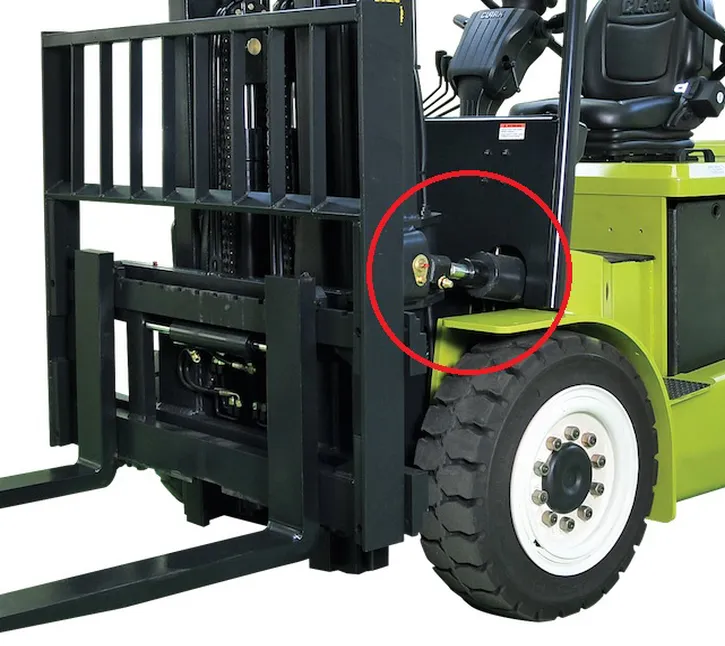
Can hydraulic cylinders be used in cold storage forklifts?
Yes, hydraulic cylinders can be used in cold storage forklifts. Cold storage forklifts, also known as freezer forklifts or refrigerated forklifts, are specifically designed to operate in cold environments such as cold storage warehouses or freezer rooms. Hydraulic cylinders play an essential role in the functionality of these specialized forklifts. Here’s an explanation of how hydraulic cylinders are used in cold storage forklifts:
Hydraulic cylinders are utilized in cold storage forklifts in the following ways:
1. Mast Lifting:
Similar to standard forklifts, hydraulic cylinders are used to lift and lower the mast in cold storage forklifts. The mast is the vertical assembly that houses the lifting mechanism and forks. Hydraulic cylinders provide the power and control for vertical movement, allowing the forklift to lift and lower loads in cold storage environments.
2. Reach and Extend:
Cold storage forklifts may have telescopic masts or extendable booms to reach and handle loads in high storage racks. Hydraulic cylinders are responsible for extending and retracting the telescopic sections of the mast or boom. This feature enables the forklift to reach and handle pallets or goods located at varying heights in cold storage areas.
3. Load Manipulation:
Hydraulic cylinders contribute to load manipulation in cold storage forklifts. These cylinders are used to control attachments such as side shifters, fork positioners, or clamp mechanisms. By utilizing hydraulic power, the cylinders allow for precise adjustments and positioning of the attachments, facilitating efficient handling of loads in cold storage environments.
4. Operator Controls:
Cold storage forklifts are equipped with operator controls that enable the adjustment and operation of hydraulic cylinders. The forklift operator can use the control levers or buttons within the cabin to activate and control the hydraulic cylinders, adjusting the lifting, reaching, or attachment functions as needed.
5. Cold-Resistant Design:
Hydraulic cylinders used in cold storage forklifts are often designed to withstand low temperatures. They may incorporate special seals, lubricants, or materials that can withstand the cold environment without compromising performance. This ensures the reliability and functionality of the hydraulic system in sub-zero temperatures.
In summary, hydraulic cylinders are integral components of cold storage forklifts, enabling mast lifting, reach and extension, load manipulation, and operator control functions. These cylinders are designed to operate in cold environments and contribute to the efficiency and effectiveness of material handling operations in cold storage warehouses or freezer rooms.
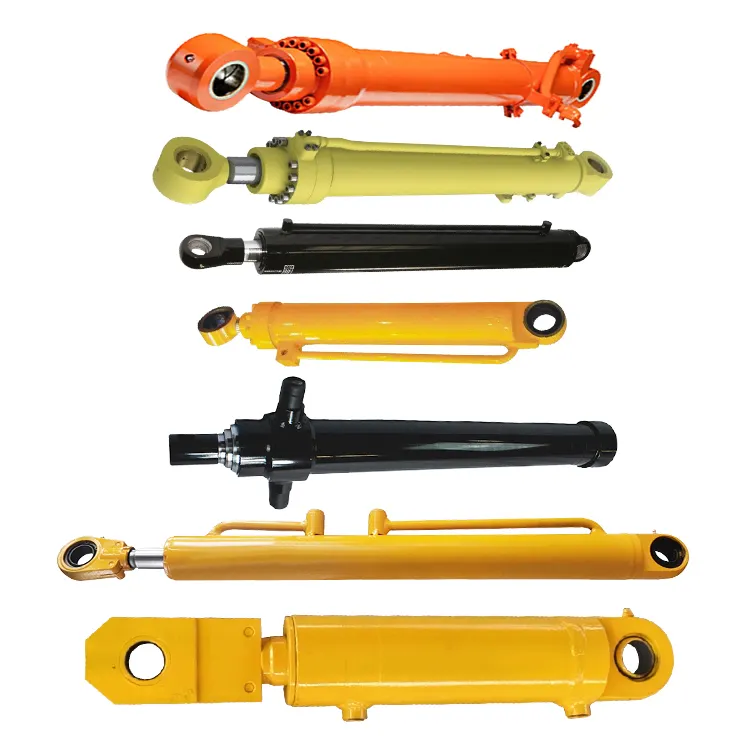
Can Forklift Hydraulic Cylinders be Used in Heavy-Duty Applications?
Yes, forklift hydraulic cylinders can be used in heavy-duty applications due to their robust design and high lifting capacities. Forklifts with hydraulic cylinders are commonly employed in a wide range of industrial settings, including heavy-duty applications that involve lifting and moving substantial loads. Here are some reasons why forklift hydraulic cylinders are suitable for heavy-duty use:
- Strength and Durability:
- Lifting Capacities:
- Adjustability and Versatility:
- Stability and Safety:
- Industry Applications:
Forklift hydraulic cylinders are engineered to withstand heavy loads and demanding operating conditions. They are constructed from high-strength materials such as steel and are designed to endure the stresses associated with lifting and moving heavy objects. The cylinders undergo rigorous testing and quality control measures to ensure their strength and durability, making them well-suited for heavy-duty applications.
Forklift hydraulic cylinders are designed to provide significant lifting capacities. They can generate substantial force to lift heavy loads, allowing for efficient material handling in heavy-duty environments. Forklifts equipped with hydraulic cylinders can often lift loads ranging from a few thousand pounds to over 50,000 pounds, depending on the specific forklift model and cylinder configuration.
Hydraulic cylinders offer adjustability and versatility, which is beneficial in heavy-duty applications. The hydraulic system allows for precise control over the lifting and lowering of loads, enabling operators to handle various load sizes and weights. Additionally, the hydraulic pressure can be adjusted to accommodate different load requirements, making forklift hydraulic cylinders adaptable to a wide range of heavy-duty tasks.
Forklifts with hydraulic cylinders are designed to prioritize stability and safety, even in heavy-duty applications. These forklifts typically feature a wide wheelbase and a low center of gravity to enhance stability when lifting heavy loads. The hydraulic system, including the cylinder, works in conjunction with other safety features to ensure safe operation, such as load sensing valves, overload protection, and operator controls for precise load handling.
Forklift hydraulic cylinders are widely used in industries that require heavy-duty lifting and material handling. They are extensively utilized in sectors such as construction, manufacturing, warehousing, and transportation. In construction, forklifts with hydraulic cylinders are used to lift and transport heavy building materials. In manufacturing, they facilitate the movement of large components and finished products. In warehouses, they enable the stacking and retrieval of heavy palletized goods. And in transportation, they handle the loading and unloading of heavy cargo.
Overall, forklift hydraulic cylinders are well-suited for heavy-duty applications. Their strength, durability, lifting capacities, adjustability, and safety features make them reliable tools for handling substantial loads in various industries. Whether it’s lifting heavy materials, moving oversized objects, or managing bulky cargo, forklift hydraulic cylinders provide the necessary capabilities for efficient and safe heavy-duty operations.


editor by CX 2024-02-09