
Product Description
Factory Supply Attractive Price 16MPa Forklift hydraulic Steering Cylinder 20kg
The forklift steel cylinder plays a crucial role in the safe and efficient operation of a forklift, facilitating lifting, lowering, tilting, side-shifting, fork positioning, and attachment actuation. These applications enhance the forklift’s versatility, productivity, and maneuverability, contributing to effective material handling in various industries and environments.
| bore diameter (D) | rod diameter (d) | stroke (S) | Installation distance (L) | working pressure | Interface dimensions (M) | weight |
| Φ80 | Φ50 | 2*103 | 652.2 | 10MPa | 2-M16*1.5 | 18kg |
(1) Our company can customize non-standard oil cylinders within the range of cylinder diameter D360MM and stroke L6000MM according to customer requirements;
(2) The above product prices are nontax unit prices, excluding packaging and transportation costs required for the export
Are there any safety considerations or maintenance requirements for forklift steel cylinders?
Safety Considerations:
-
Regular Inspections: Perform regular visual inspections of the steel cylinder, looking for any signs of damage, leaks, or abnormal wear. Inspect the mounting points and connections for stability and integrity.
-
Fluid Leaks: Monitor the hydraulic system for any fluid leaks, as leaks can affect the performance and safety of the cylinder. If you notice any leaks, address them promptly to prevent further damage and ensure proper operation.
-
Load Capacity: Always adhere to the load capacity limits specified by the forklift manufacturer. Overloading the forklift can put excessive strain on the steel cylinder and other components, compromising safety. Ensure the lifted loads are within the designated capacity.
-
Proper Operation: Operate the forklift and the steel cylinder within the manufacturer’s guidelines and recommendations. Follow proper lifting techniques, avoid sudden movements, and maintain stability during load handling to prevent accidents or damage to the cylinder.
-
Training and Certification: Only trained and authorized operators should handle and operate forklifts. Ensure operators are adequately trained, certified, and familiar with the safe operation of the forklift and its components, including the steel cylinder.
Maintenance Requirements:
-
Lubrication: Follow the manufacturer’s recommendations for lubrication intervals and use the appropriate lubricants for the steel cylinder. Proper lubrication minimizes friction and wear, ensuring smooth operation and extending the cylinder’s lifespan.
-
Seals and O-rings: Check the seals and O-rings regularly for signs of wear, cracking, or leaks. Replace any damaged or worn seals promptly to maintain the integrity of the hydraulic system and prevent fluid leaks.
-
Cylinder Alignment: Ensure proper alignment of the steel cylinder with the forklift’s lifting mechanism. Misalignment can result in uneven loads, excessive wear, and potential safety hazards. If misalignment is detected, consult the manufacturer’s guidelines or seek professional assistance for realignment.
-
Regular Maintenance Schedule: Include the steel cylinder in the forklift’s regular maintenance schedule. Perform scheduled inspections, servicing, and any recommended maintenance tasks as specified by the forklift manufacturer. This may include cleaning, tightening of connections, and overall system checks.
-
Manufacturer Xihu (West Lake) Dis.lines: Follow the specific maintenance recommendations the forklift manufacturer provides for the steel cylinder. These guidelines may include inspection intervals, repair procedures, and replacement recommendations.
Are there any specific guidelines for cleaning the steel cylinder during maintenance?
-
Safety Precautions: Ensure the forklift is turned off and the hydraulic system is depressurized before cleaning. Wear appropriate personal protective equipment, such as gloves and safety glasses, to protect yourself during cleaning.
-
Remove Excess Dirt and Debris: Use a soft brush or cloth to remove any loose dirt, dust, or debris from the external surfaces of the steel cylinder. Pay attention to crevices and hard-to-reach areas.
-
Use Mild Detergent Solution: Prepare a mild detergent solution by mixing a gentle, non-abrasive cleaner or dishwashing liquid with water. Avoid harsh chemicals or solvents that damage the cylinder’s surfaces or seals.
-
Wipe with a Soft Cloth: Dip a soft cloth into the detergent solution and gently wipe the external surfaces of the steel cylinder. Ensure thorough coverage while not saturating the cylinder with excessive moisture.
-
Clean Seals and Connections: Specialize the seals, O-rings, and connections. Use a clean cloth or brush to remove any dirt or debris from these areas. Take care not to damage or dislodge the seals during cleaning.
-
Rinse with Clean Water: After wiping with the detergent solution, rinse the cylinder with clean water to remove any remaining detergent residue. Wipe off excess water with a clean, dry cloth.
-
Inspect for Damage: While cleaning, inspect the cylinder for any signs of damage, including cracks, dents, or corrosion. Report any significant damage to the appropriate maintenance personnel for further evaluation and potential repair or replacement.
-
Dry Thoroughly: Ensure the steel cylinder is completely dry before reassembling or returning it to service. Moisture can contribute to corrosion or affect the performance of the cylinder.
-
Lubrication: If the manufacturer requires, apply a suitable lubricant to the cylinder’s moving parts, such as the piston rod. Follow the manufacturer’s recommendations for the type and amount of lubricant to use.
Our Company
We have a first-class independent R&D platform for assembly. The forklift cylinder production workshop has 4 semi-automatic lifting cylinder assembly lines and 1 fully automatic tilting cylinder assembly line, with a designed annual production capacity of 1 million pieces; the special cylinder workshop is equipped with semi-automatic cleaning and assembly systems of various specifications, with a designed annual production capacity of 200,000 essays. It has famous CNC machining equipment, machining centers, special equipment for high-precision cylinder processing, robot welding machines, automatic cleaning machines, automatic cylinder assembly machines, and automatic paint production lines. We have more than 300 sets of critical equipment running. The optimized allocation and efficient utilization of equipment resources ensure the precision requirements of the products and meet the high standard quality requirements of the products.
|
Forklift cylinder assembly shop |
Other types of cylinder assembly shop |
Welding
Painting & coating
|
Painting & coating line |
Fully automatic water-based |
Testing
To further improve product performance, and establish the leadership position of our hydraulic cylinder in the industry, our company and zjimee jointly established a Comprehensive performance laboratory of hydraulic cylinders, hydraulic valves, and hydraulic pumps; the lab is computer-assisted testing, using electro-hydraulic control technology, the test conditions preset by computer, which improves the test accuracy and system versatility, and the experimental data.
The automatic collection is realized through the application of sensors, and the output data, such as the internal leakage and load efficiency of the cylinder or the valve, are directly processed by the computer and converted to standard units (ml/min; %). At the same time, to ensure the working safety of the hydraulic system, the state monitoring function is carried out for key performance parameters, such as “oil temperature monitoring, liquid level monitoring, filter device monitoring,” etc. Among them, the hydraulic cylinder test stand can test the performance of “load efficiency” and “internal leakage” by readings. At the same time, it is equipped with a grating ruler measuring instrument, which meets the requirements of all test items of hydraulic cylinder products in the national standard.
Our Factory
Packaging & Shipping
/* March 10, 2571 17:59:20 */!function(){function s(e,r){var a,o={};try{e&&e.split(“,”).forEach(function(e,t){e&&(a=e.match(/(.*?):(.*)$/))&&1
| Certification: | GS, RoHS, CE, ISO9001 |
|---|---|
| Pressure: | Medium Pressure |
| Work Temperature: | Normal Temperature |
| Acting Way: | Double Acting |
| Working Method: | Rotary |
| Adjusted Form: | Regulated Type |
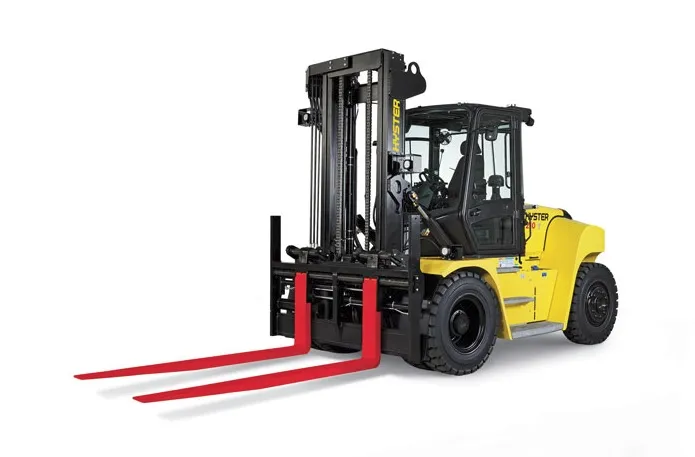
Can hydraulic cylinders be used in electric forklifts?
Yes, hydraulic cylinders can be used in electric forklifts. While electric forklifts rely on electric motors for propulsion, they still utilize hydraulic systems, including hydraulic cylinders, for various functions. Here’s an explanation of their role:
Electric forklifts commonly employ hydraulic cylinders in their lifting mechanism. The hydraulic cylinder generates the force required to lift and lower loads. The lifting mechanism typically consists of a hydraulic pump, control valves, hoses, and the hydraulic cylinder.
When the operator activates the lifting control, the electric motor powers the hydraulic pump, which pressurizes the hydraulic fluid. The pressurized fluid is then directed to the hydraulic cylinder, where it extends the piston rod, lifting the load. By controlling the flow of hydraulic fluid, the operator can precisely control the lifting speed and height.
In addition to the lifting mechanism, hydraulic cylinders may also be used in other parts of an electric forklift. For example, they can be employed in tilt mechanisms for tilting the mast or forks, in the steering system for maneuverability, or in the reach mechanism for extending and retracting the forks.
The use of hydraulic cylinders in electric forklifts allows for efficient and precise control over various lifting and operational functions. The hydraulic system provides the necessary force and flexibility required in lifting heavy loads and performing other essential tasks.
In summary, hydraulic cylinders can indeed be used in electric forklifts. They play a vital role in the lifting mechanism and other operational functions, enabling the electric forklift to perform lifting, tilting, steering, and reaching tasks with accuracy and efficiency.
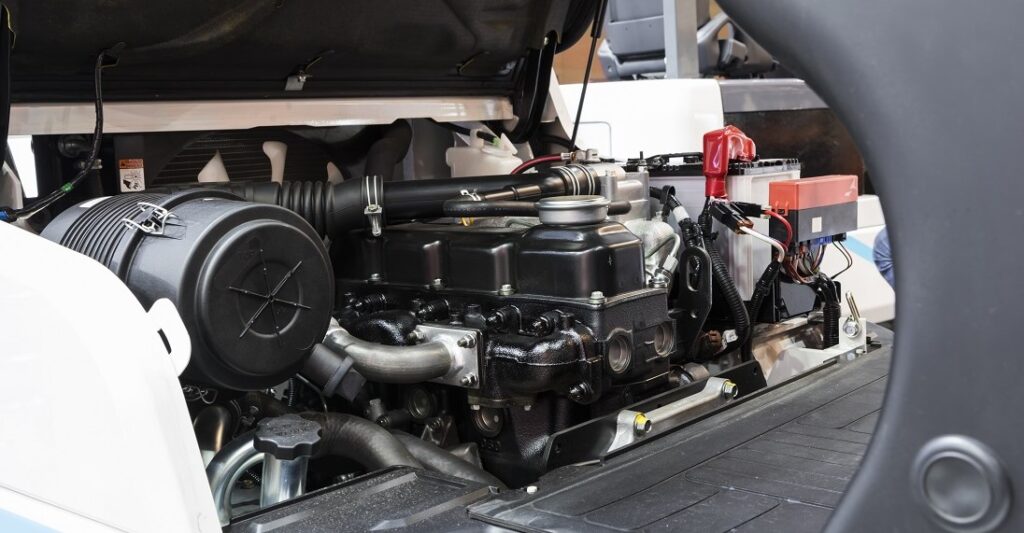
How does a forklift hydraulic cylinder contribute to smooth lifting and lowering?
A forklift hydraulic cylinder plays a crucial role in achieving smooth lifting and lowering operations. Here’s an explanation of how it contributes to this process:
The smooth lifting and lowering of a forklift’s load is made possible by the hydraulic cylinder working in tandem with the hydraulic system. The hydraulic cylinder contributes in the following ways:
1. Controlled Fluid Power:
The hydraulic cylinder utilizes controlled fluid power to lift and lower the load. When the operator activates the hydraulic system, hydraulic fluid is pumped into the cylinder, exerting pressure on the piston inside. This pressure creates a force that raises or lowers the load smoothly and evenly.
2. Piston and Cylinder Design:
The design of the hydraulic cylinder’s piston and cylinder bore contributes to smooth lifting and lowering. The piston is precisely machined to fit within the cylinder bore with minimal clearance. This tight fit, along with the use of seals and hydraulic fluid, helps minimize friction and ensure smooth movement of the piston within the cylinder.
3. Valve Control:
The hydraulic cylinder’s movement is controlled by valves in the hydraulic system. These valves regulate the flow of hydraulic fluid into and out of the cylinder. By adjusting the valve settings, the operator can control the speed and rate of lifting and lowering. The valves allow for precise control, enabling smooth and gradual movements of the load.
4. Load Balancing:
The hydraulic cylinder contributes to load balancing during lifting and lowering operations. By adjusting the extension or retraction of the cylinder, the operator can maintain a proper balance between the load and the forklift. This balance helps prevent sudden shifts or jerky movements, resulting in smoother and more stable lifting and lowering.
5. Damper Mechanisms:
In some forklift hydraulic systems, dampers or shock absorbers are incorporated to further enhance smooth lifting and lowering. These mechanisms help cushion the movements of the hydraulic cylinder, reducing any sudden jolts or vibrations. The dampers absorb and dissipate energy, resulting in smoother and more controlled load handling.
In summary, a forklift hydraulic cylinder contributes to smooth lifting and lowering operations through controlled fluid power, precise piston and cylinder design, valve control, load balancing, and the potential inclusion of dampers. These factors work together to provide operators with the ability to lift and lower loads smoothly, efficiently, and with enhanced control.
What Industries Rely on Forklifts with Hydraulic Cylinders?
Various industries heavily rely on forklifts equipped with hydraulic cylinders for their material handling and logistics operations. Forklifts with hydraulic cylinders offer efficient lifting, lowering, and maneuvering capabilities, making them indispensable in numerous sectors. Here are some industries that heavily rely on forklifts with hydraulic cylinders:
- Warehousing and Distribution:
- Manufacturing:
- Construction:
- Retail:
- Transportation and Logistics:
- Agriculture:
- Wholesale and Distribution:
- Food and Beverage:
In the warehousing and distribution industry, forklifts are essential for lifting and moving goods within warehouses and distribution centers. Forklifts with hydraulic cylinders enable the efficient stacking and retrieval of palletized goods, speeding up the loading and unloading process. They play a significant role in inventory management, order fulfillment, and ensuring smooth logistics operations.
Forklifts with hydraulic cylinders are widely used in manufacturing facilities for various applications. They are used to transport raw materials, components, and finished products within production lines and warehouses. Hydraulic-powered forklifts enable manufacturers to efficiently move heavy loads, streamline production processes, and optimize material flow.
The construction industry heavily relies on forklifts with hydraulic cylinders for material handling tasks on construction sites. Forklifts are used to lift and transport building materials, such as lumber, steel, bricks, and concrete blocks. Hydraulic cylinders allow forklift operators to lift and position heavy construction materials with precision, enhancing productivity on construction projects.
In the retail sector, forklifts with hydraulic cylinders play a crucial role in managing inventory and stock replenishment. They are used in retail warehouses, distribution centers, and large retail stores to handle palletized goods, unload delivery trucks, and stock shelves. Forklifts equipped with hydraulic cylinders enable efficient movement of goods, helping retailers maintain optimal stock levels and meet customer demand.
The transportation and logistics industry heavily relies on forklifts with hydraulic cylinders at various stages of the supply chain. Forklifts are used in freight terminals, airports, seaports, and rail yards to load and unload cargo containers, pallets, and freight shipments. Hydraulic-powered forklifts ensure smooth and efficient material handling operations in transportation hubs, contributing to the timely movement of goods.
In the agriculture industry, forklifts with hydraulic cylinders are utilized for various tasks on farms, nurseries, and agricultural warehouses. They are used to handle and transport bulky items such as bales of hay, bags of feed, and agricultural equipment. Forklifts enable efficient loading and unloading of agricultural products, contributing to streamlined operations and improved productivity.
Wholesale and distribution companies heavily rely on forklifts with hydraulic cylinders for their material handling needs. These forklifts are used to handle a wide range of products, including palletized goods, crates, and containers, in wholesale warehouses and distribution centers. Forklifts equipped with hydraulic cylinders enable efficient sorting, stacking, and movement of goods, ensuring smooth distribution operations.
In the food and beverage industry, forklifts with hydraulic cylinders are extensively used for material handling tasks in production facilities, warehouses, and cold storage facilities. They are employed to transport ingredients, packaging materials, and finished products. Forklifts equipped with hydraulic cylinders enable careful handling of delicate food items and efficient movement of goods in temperature-controlled environments.
These are just a few examples of the industries that heavily rely on forklifts with hydraulic cylinders. The versatility and lifting capabilities of these forklifts make them indispensable in a wide range of sectors, supporting efficient and safe material handling operations.


editor by CX 2024-02-04