
Product Description
This hydraulic cylinder is specially designed for high-end agricultural machinery.
It is the first choice for the manufacturer of high-end agricultural machinery.
| Model | Bore Diameter (mm) |
Rod Diameter (mm) |
Stroke (mm) |
Nominal Pressure (bar) |
| HSG50/40-75*342-00 | 50 | 40 | 75 | 21 |
/* March 10, 2571 17:59:20 */!function(){function s(e,r){var a,o={};try{e&&e.split(“,”).forEach(function(e,t){e&&(a=e.match(/(.*?):(.*)$/))&&1
| Type: | Clutch Cylinder |
|---|---|
| Usage: | Agricultural Products Processing, Farmland Infrastructure, Grain Threshing, Cleaning and Drying |
| Material: | Carbon Steel |
| Power Source: | Hyd.Oil |
| Weight: | 12kg |
| Body Material: | Carbon Steel |
| Customization: |
Available
|
|
|---|
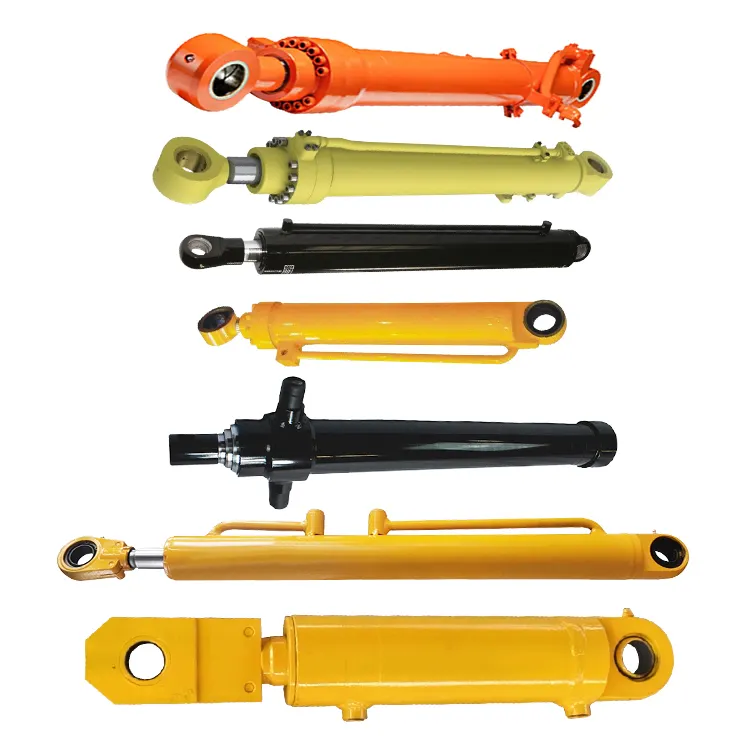
Can hydraulic cylinders be used in narrow-aisle forklifts?
Yes, hydraulic cylinders can be used in narrow-aisle forklifts. In fact, hydraulic cylinders play a crucial role in the lifting and operational capabilities of these specialized forklifts designed for maneuvering in narrow spaces. Here’s an explanation of their use:
Narrow-aisle forklifts, also known as narrow-aisle reach trucks or very narrow aisle (VNA) forklifts, are designed to operate in tight spaces with narrow aisles and high racking systems. These forklifts rely on hydraulic systems, including hydraulic cylinders, to perform their lifting and positioning functions.
The hydraulic cylinder in a narrow-aisle forklift is responsible for vertically extending and retracting the mast assembly, which carries the load-carrying forks. The mast assembly typically consists of multiple stages that can reach significant heights to access the high racking systems.
When the operator activates the lifting control, hydraulic fluid is pressurized and directed to the hydraulic cylinder. The cylinder extends vertically, raising the mast and forks to the desired height. The hydraulic system provides precise control over the lifting speed and positioning, allowing for efficient and accurate load handling in narrow spaces.
In addition to the lifting function, hydraulic cylinders can also contribute to the tilting and side-shifting capabilities of narrow-aisle forklifts. Some models are equipped with hydraulic cylinders that enable the tilting of the mast or the forks, allowing for better load positioning and stability. Hydraulic cylinders can also be employed to provide side-shifting functionality, enabling the lateral movement of the forks for improved load placement.
The use of hydraulic cylinders in narrow-aisle forklifts ensures that these specialized machines have the necessary power and control to operate in tight spaces. The hydraulic system provides the force required for lifting and positioning loads, while also offering the flexibility to tilt or shift the forks as needed.
In summary, hydraulic cylinders are an integral part of narrow-aisle forklifts. They enable the vertical lifting of the mast assembly and contribute to tilting and side-shifting functionalities. By utilizing hydraulic power, these forklifts can efficiently navigate narrow aisles and handle loads in high racking systems with precision and control.
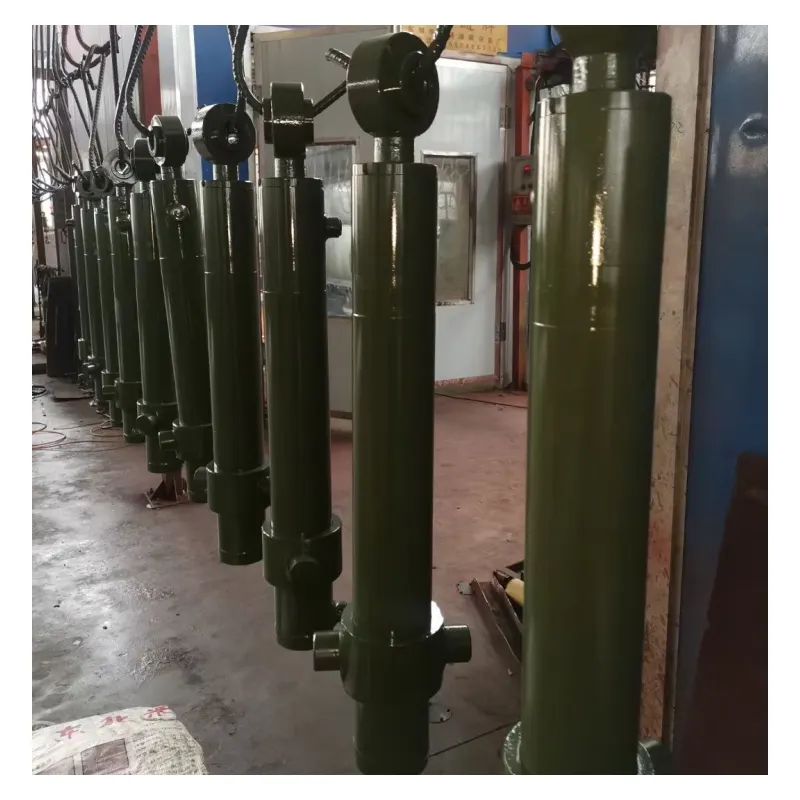
Can hydraulic cylinders be used in container handling forklifts?
Yes, hydraulic cylinders are commonly used in container handling forklifts. Container handling forklifts, also known as container handlers or reach stackers, are specifically designed for lifting and moving shipping containers. Hydraulic cylinders play a crucial role in the operation of these specialized forklifts. Here’s an explanation of how hydraulic cylinders are used in container handling forklifts:
Hydraulic cylinders are utilized in container handling forklifts in the following ways:
1. Mast Lifting:
The main function of hydraulic cylinders in container handling forklifts is to lift and lower the mast. The mast is the vertical assembly that houses the lifting mechanism and forks. Hydraulic cylinders, typically positioned on either side of the mast, provide the power and control for vertical movement. By extending or retracting the cylinders, the forklift can lift and lower containers to the desired height, allowing for stacking or unstacking operations.
2. Reach and Extend:
Container handling forklifts often feature telescopic masts that can reach out and extend. Hydraulic cylinders are responsible for extending and retracting the telescopic sections of the mast. These cylinders enable the forklift to reach containers that are placed further away or to adjust the reach based on container size. The precise control offered by the hydraulic cylinders allows for accurate positioning and safe handling of containers.
3. Container Tilting:
In some container handling forklifts, hydraulic cylinders are used to tilt the container. Tipping containers slightly can help with load stability during stacking or unstacking. Hydraulic cylinders control the tilting operation, allowing the forklift operator to adjust the container’s angle as needed.
4. Side Shift:
Container handlers often feature side shift functionality, which allows the forks or attachment to move horizontally. Hydraulic cylinders are employed to control the side shift movement, enabling precise positioning of the forks or attachment when handling containers. This feature facilitates alignment with container corners and ensures secure engagement.
5. Attachment Control:
Container handling forklifts may have specialized attachments, such as container spreaders or twist locks, for secure container lifting and transport. Hydraulic cylinders play a vital role in controlling the movements of these attachments. They enable precise adjustments and alignment, ensuring proper engagement with the container and safe handling during loading and unloading operations.
In summary, hydraulic cylinders are extensively used in container handling forklifts for mast lifting, reach and extend operations, container tilting, side shift functionality, and attachment control. These cylinders provide the necessary power, control, and precision required to handle containers efficiently and safely in various container terminal and port environments.
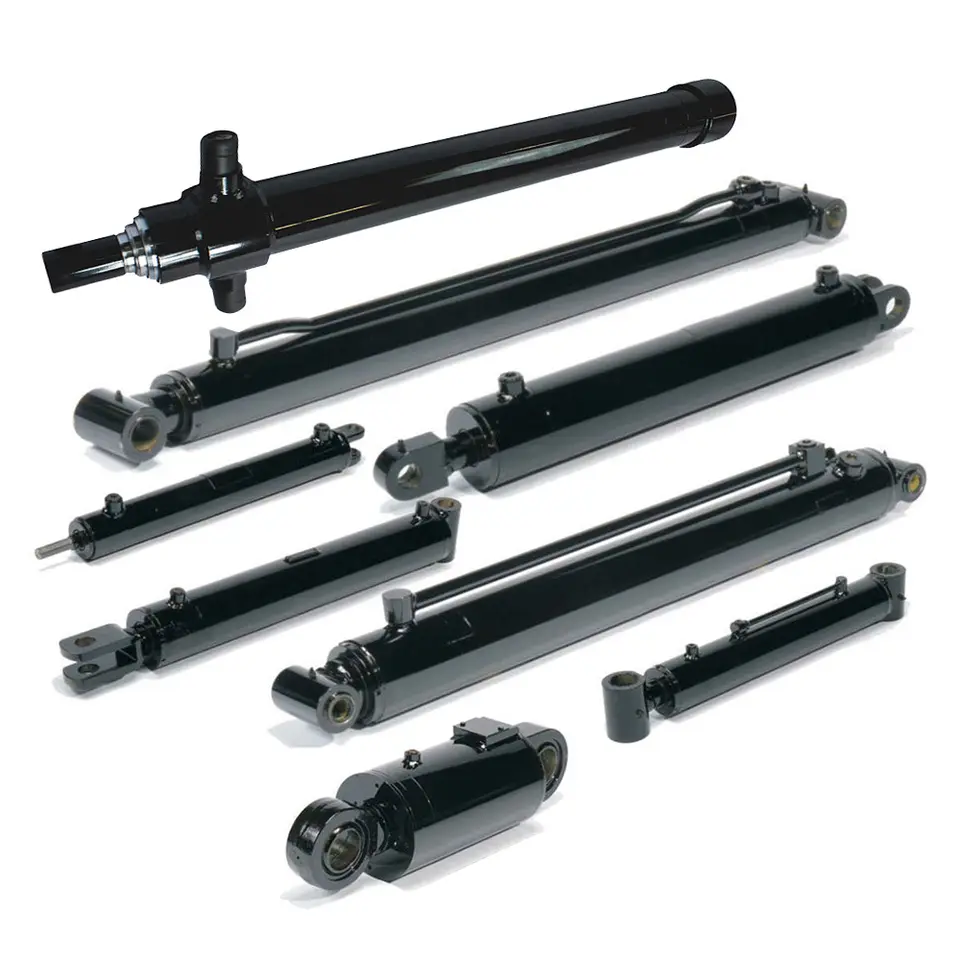
What is the Importance of Regular Maintenance for Hydraulic Cylinders?
Regular maintenance for hydraulic cylinders is of utmost importance to ensure their optimal performance, longevity, and safe operation. Hydraulic cylinders are critical components in various industrial applications, and neglecting their maintenance can lead to decreased efficiency, increased downtime, and potential safety hazards. Here are some key reasons highlighting the importance of regular maintenance for hydraulic cylinders:
- Preventive Maintenance:
- Optimal Performance:
- Extended Lifespan:
- Safety:
- Compliance with Manufacturer Recommendations:
Regular maintenance allows for preventive measures to be taken to identify and address potential issues before they escalate. By following a scheduled maintenance plan, hydraulic cylinders can be inspected for signs of wear, leaks, or damage. Regular servicing, such as lubrication, seal replacements, and cleaning, helps to keep the cylinders in optimal condition, minimizing the risk of unexpected failures and costly repairs.
Proper maintenance ensures that hydraulic cylinders operate at their peak performance. Over time, contaminants, such as dirt, debris, and moisture, can accumulate within the hydraulic system, affecting the cylinder’s performance. Regular maintenance includes the cleaning and flushing of the hydraulic system, which helps to remove contaminants and maintain the proper functioning of the cylinder. This, in turn, ensures efficient and reliable operation, maximizing productivity and minimizing downtime.
Regular maintenance significantly contributes to the longevity of hydraulic cylinders. By addressing wear and tear, replacing worn-out components, and maintaining proper fluid levels and cleanliness, the overall lifespan of the cylinders can be extended. Well-maintained cylinders are less prone to premature failures and breakdowns, reducing the need for frequent replacements and saving on replacement costs in the long run.
Maintaining hydraulic cylinders in good working condition is crucial for ensuring the safety of personnel and equipment. Hydraulic failures, such as leaks, seal failures, or component malfunctions, can lead to hazardous situations, including uncontrolled movements, equipment damage, or injury to operators or nearby personnel. Regular maintenance helps to identify and rectify potential safety risks, ensuring that the hydraulic cylinders operate safely and reliably.
Regular maintenance ensures compliance with the manufacturer’s recommendations and guidelines for hydraulic cylinders. Manufacturers often provide specific maintenance intervals and procedures to keep the cylinders in optimal condition. Following these recommendations helps to uphold warranty requirements, maintain equipment reliability, and ensure that the cylinders perform as intended.
In summary, regular maintenance for hydraulic cylinders is essential for preventive measures, optimal performance, extended lifespan, safety, and compliance. By implementing a proactive maintenance program, including inspections, cleaning, lubrication, and component replacements, the overall reliability and efficiency of hydraulic cylinders can be maximized, reducing the risk of failures, improving productivity, and enhancing workplace safety.


editor by CX 2024-02-10